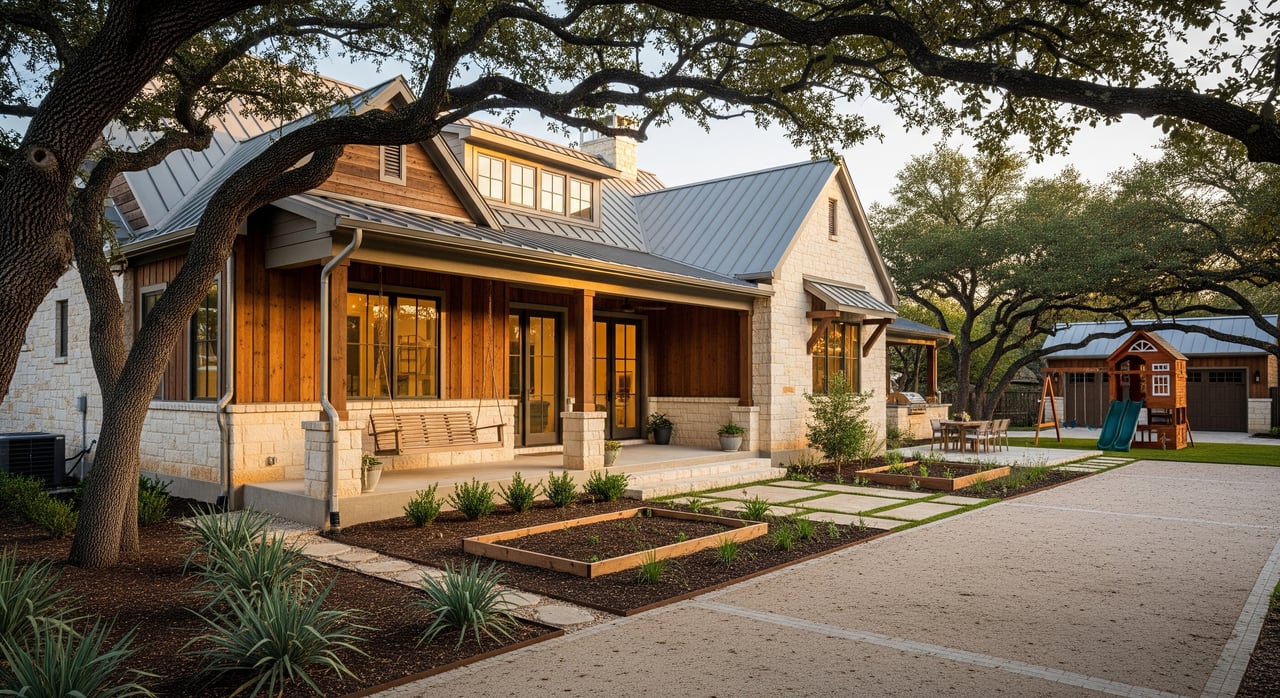
Thinking about moving to the Austin area for more space, strong school options, and an easier family routine? You are not alone. Families exploring the suburbs around Austin often want the same things: reliable schools, parks and sports, manageable commutes, and a home that fits today’s needs with room to grow. In this guide, you will learn what day-to-day life looks like in Austin’s most popular family suburbs, plus the types of homes you can expect in each. Let’s dive in.
How to choose your Austin suburb
Before you pick a neighborhood, map out your family’s weekly routine. Use this checklist to compare suburbs side-by-side.
- Schools and programs: Confirm district boundaries, specific campuses, feeder patterns, and after-school options. Texas Education Agency reports and district pages are helpful for current ratings and enrollment tools.
- Parks and activities: Look for nearby parks, splash pads, pools, youth sports leagues, libraries, and trails you will actually use every week.
- Commute and transit: Consider your peak-hour route on I-35, MoPac/Loop 1, 45, 183/290, and the availability of toll lanes or commuter rail where applicable.
- Childcare and preschool: Check daycare capacity, pre-K waitlists, and after-care availability in fast-growth areas.
- Healthcare access: Note proximity to pediatric clinics, urgent care, and major hospitals like Dell Children’s Medical Center and St. David’s facilities.
- Housing fit: Prioritize floor plan, yard size, age of home, HOA amenities, and the trade-off between proximity and space.
Round Rock: routines and housing
Schools and childcare
Round Rock ISD serves much of the city and is one of the larger suburban districts with multiple high schools, UIL programs, and varied extracurriculars. Families often choose neighborhoods based on a specific elementary or feeder pattern. Confirm campus assignments and after-school spots ahead of time.
Parks and weekends
Old Settlers Park anchors local recreation with trails, sports complexes, and splash pads. Many neighborhoods have HOA pools and playgrounds, which help with daily after-school routines.
Commute profile
Most residents drive via I-35 or nearby toll roads. There is no direct commuter rail stop in Round Rock, though limited commuter bus options exist. Peak traffic can build, so plan school drop-off and pickup around your route.
Housing and price tier
You will find established neighborhoods with shade trees and a wide mix of master-planned communities. Typical homes are 3-4 bedrooms with yards. Round Rock has historically sat in a mid-range price tier relative to central Austin.
Who it fits
Families who want an active parks network, strong youth sports, and a wide menu of school programs often shortlist Round Rock.
Cedar Park: trails and convenience
Schools and childcare
Most of Cedar Park falls under Leander ISD, a fast-growing district with multiple campuses. Feeder patterns can change as new schools open, so verify zoning when you shop.
Parks and weekends
You get easy access to Brushy Creek Trail, a strong network of neighborhood parks, community pools, and events at the H-E-B Center. It is easy to stack errands, sports, and a park stop into one Saturday.
Commute profile
Commuters use US-183 or the 183A toll road. There are some park-and-ride bus services. Congestion increases during rush hours, so time your drive to MoPac or downtown with care.
Housing and price tier
Cedar Park features substantial new construction along with established subdivisions. Expect single-family homes plus some newer townhomes, generally at a mid-range price point.
Who it fits
If you want suburban convenience, an extensive trail system, and a short hop to shopping and sports, Cedar Park is a strong pick.
Leander: new homes and rail access
Schools and childcare
Leander ISD serves the city and the surrounding growth area. New campuses open periodically, and boundary adjustments do occur. Families often target neighborhoods by specific school.
Parks and weekends
Leander continues to expand its parks and rec options and sits near portions of the Balcones Canyonlands Preserve. Weekend hikes and local youth sports are common.
Commute profile
Leander is the northern terminus of the Red Line commuter rail into downtown Austin. Many residents still rely on cars, but the rail is a helpful alternative for some schedules.
Housing and price tier
Rapid growth brings many new subdivisions with starter-to-family-sized homes. New construction is common and often competitive compared with closer-in suburbs.
Who it fits
If you prioritize newer homes, community amenities, and the possibility of rail for downtown trips, put Leander on your tour list.
Pflugerville: lake life close to town
Schools and childcare
Pflugerville ISD serves the area with multiple campuses. Confirm school assignments and after-care capacity as new growth areas come online.
Parks and weekends
Lake Pflugerville is a local favorite for family outings, with a beach area, trails, and water activities. Parks, community pools, and youth leagues make for a full calendar.
Commute profile
You have access to I-35 and toll lanes. Commutes can be moderate, but I-35 bottlenecks are common during rush hours. Plan timing for school and work drive windows.
Housing and price tier
You will find a mix of older subdivisions and newer single-family development. Pflugerville is often viewed as relatively more affordable than some nearby suburbs with similar proximity to Austin.
Who it fits
If you want value, parks, and quick access to both Austin and Round Rock job centers, Pflugerville balances the equation.
West Lake Hills and Rollingwood: close-in and calm
Schools and childcare
These close-in suburbs are served by Eanes ISD, which is among the highest-rated districts in Texas. Always verify your specific campus and feeder pattern.
Parks and weekends
Expect hilly streets and easy access to Barton Creek, Zilker area attractions, and greenbelt trails. You can be at outdoor destinations in minutes.
Commute profile
Proximity to central Austin shortens drive times, though local roads can be narrow with congestion at peak hours. Public transit is limited.
Housing and price tier
Homes tend to be higher-end, often with larger lots or hill country views. This area sits at the top of the metro’s price spectrum.
Who it fits
If you want quick access to central Austin, established neighborhoods, and a strong district, this pocket delivers.
Lakeway and Bee Cave: lake access and hill country
Schools and childcare
Lakeway is served by Lake Travis ISD, known for strong community support. Parts of Bee Cave also connect with Eanes ISD. Verify your address-to-campus match before you buy.
Parks and weekends
Lake Travis shapes daily life here. Families enjoy marinas, swim-sail options, and nearby trails. Weekend recreation often centers on the water.
Commute profile
You will typically drive RM 620 and Bee Cave Parkway toward MoPac or Loop 360. Peak traffic can add time, so build in a buffer for school and work.
Housing and price tier
Expect a range of hill country and waterfront homes, plus master-planned communities with amenities. Many homes trend higher-priced, with larger lots and luxury features common.
Who it fits
If lake days and scenic views are a top priority, and you value space and amenities, Lakeway and Bee Cave are worth a close look.
Manor: growth and value
Schools and childcare
Manor ISD serves the area and continues to grow. Check for new campuses and current enrollment status, especially near developing subdivisions.
Parks and weekends
Parks and community facilities are expanding with residential growth. You will find newer retail and restaurants arriving as neighborhoods fill in.
Commute profile
Manor sits 10-15 miles northeast of downtown with access to US-290. Commute times vary by route and construction activity.
Housing and price tier
Newer developments offer relative affordability compared with closer-in Austin. First-time buyers and growing families often start their home search here.
Who it fits
If budget and new construction are key drivers, Manor provides options within a short drive of Austin.
Dripping Springs, Buda, and Kyle: space and small-town feel
Schools and childcare
Dripping Springs ISD and Hays CISD serve these areas. Families often choose for a combination of school options, lot sizes, and a quieter pace. Confirm campus assignments and bus routes.
Parks and weekends
You will find hill country parks, access to spots like Hamilton Pool near Dripping Springs, and small-town amenities. The trade-off is more driving between schools, sports, and errands.
Commute profile
Commuters use US-290, SH-45, and 71. Public transit is minimal. Build more time into morning and evening schedules if your job is in central Austin.
Housing and price tier
Expect larger lots and newer subdivisions across these cities. Prices vary, with many areas positioned below central Austin while rising with demand.
Who it fits
If you want extra elbow room, a semi-rural vibe, and newer homes, these southwest suburbs hit the mark.
Commute and transit at a glance
- Car-first reality: Most suburban families rely on cars for school and work. Traffic pinch points include I-35, MoPac/Loop 1, 183/290, and RM 620.
- Toll and express lanes: Toll options can improve drive time on certain routes. Factor cost into your monthly budget.
- Red Line access: Leander offers commuter rail to downtown for select schedules. Bus and park-and-ride options exist in some corridors, but coverage is limited.
- Plan around school runs: Morning drop-off windows often overlap with peak traffic. Coordinate carpools and set realistic buffers for practices and appointments.
Healthcare and everyday services
- Pediatric and urgent care: Suburbs across Austin have pediatric clinics and urgent care options. For specialized care, many families use major centers like Dell Children’s Medical Center and St. David’s hospital network.
- Daily conveniences: Most growth suburbs have grocery, pharmacy, and quick-service options nearby. Larger retail and entertainment hubs cluster around Cedar Park, Bee Cave, and Round Rock.
- Safety basics: Use local police department crime maps or Travis County Sheriff resources to understand trends, and compare by time frame and neighborhood.
Typical homes and neighborhood features
- Home types: Single-family homes with 3-5 bedrooms are the norm. Townhomes and new infill options increase as you get closer to the city.
- Lots and outdoor space: Older established neighborhoods often offer larger yards. Newer master-planned communities may have smaller lots balanced by shared amenities.
- Amenities and HOAs: Many fast-growth suburbs include pools, splash pads, playgrounds, trails, and clubhouses within HOA communities.
- What drives value: Proximity to central Austin, school district and specific campuses, lake or hill-country amenities, and the age of the development all impact price and supply.
How to get current numbers
Market and school data change quickly. When you are ready to compare your top suburbs, pull fresh figures from these sources:
- Housing prices and trends: Austin Board of Realtors market snapshots or local MLS data for median sale price, inventory, and days on market.
- Schools and enrollment: Texas Education Agency district and campus accountability reports, plus district boundary and feeder pattern tools.
- Commute and transit: Capital Metro route maps and Red Line schedules, plus the U.S. Census American Community Survey for average travel time to work.
- Parks and recreation: City and county parks departments for up-to-date amenities, trails, and community program calendars.
Ready to explore homes that match your school, commute, and weekend goals? Our team can help you compare neighborhoods, tour homes on your schedule, and make a confident offer. Connect with Bolanos Realty to map your plan and Schedule Your Free Consultation.
FAQs
What are the most family-oriented Austin suburbs for daily convenience?
- Cedar Park, Round Rock, and Pflugerville offer extensive parks, youth sports, and nearby shopping, which simplifies weekly routines.
How do I check which school my future home is zoned for?
- Use the school district’s boundary or enrollment tool for the exact address and confirm with the district. Verify feeder patterns for middle and high school.
Is commuter rail an option from the northern suburbs of Austin?
- Yes. Leander is served by the Red Line commuter rail into downtown. Many families still rely on cars, but rail can help for certain schedules.
Where can I find current home price trends for Austin suburbs?
- Look for recent Austin Board of Realtors market reports or consult local MLS data for the suburb you are considering. Data shifts month-to-month.
Which suburbs offer larger yards or more space?
- Dripping Springs, Buda, and Kyle often feature larger lots and a semi-rural feel. Some established neighborhoods in Round Rock and Cedar Park also offer larger yards.
Are there good outdoor options near the lake west of Austin?
- Yes. Lakeway and Bee Cave provide lake access, marinas, and hill-country trails. Many neighborhoods include pools and parks within their HOAs.