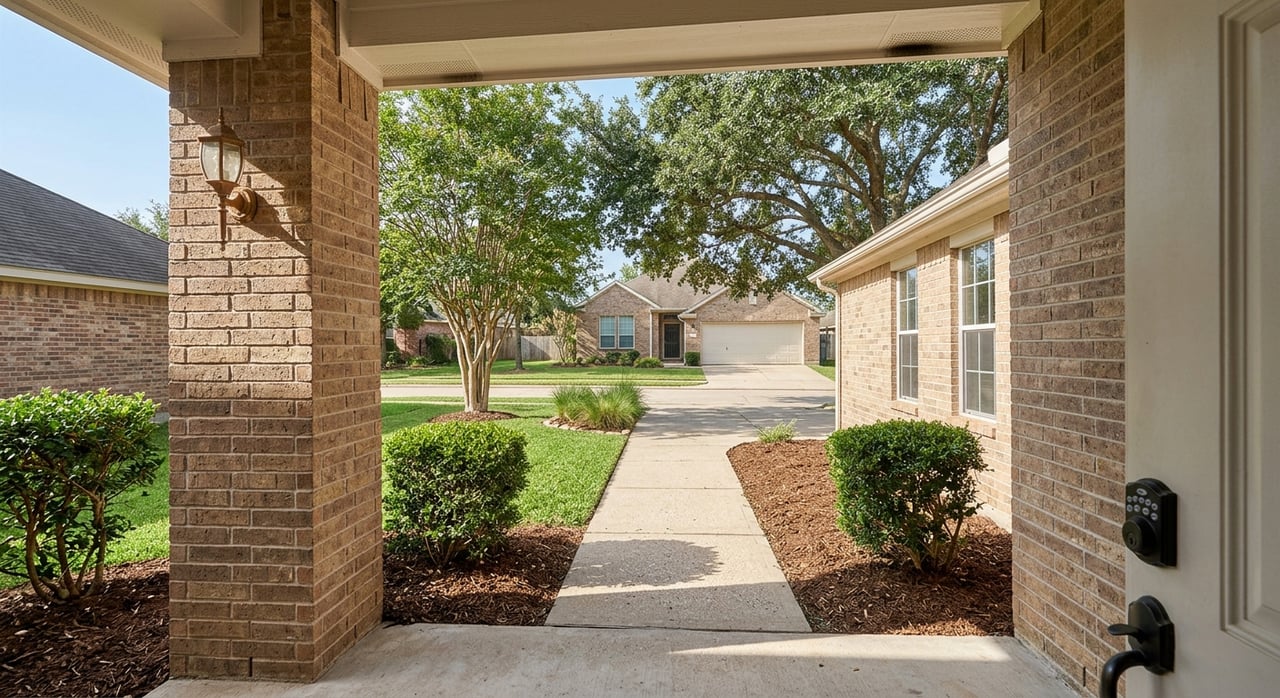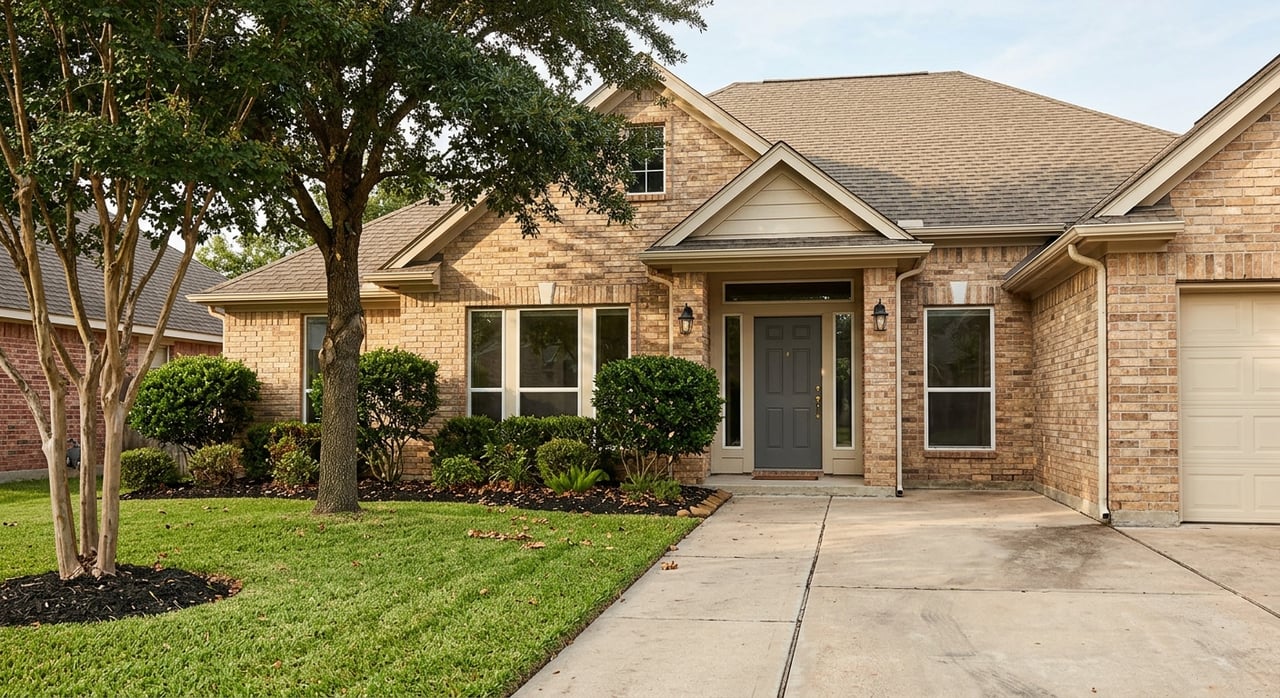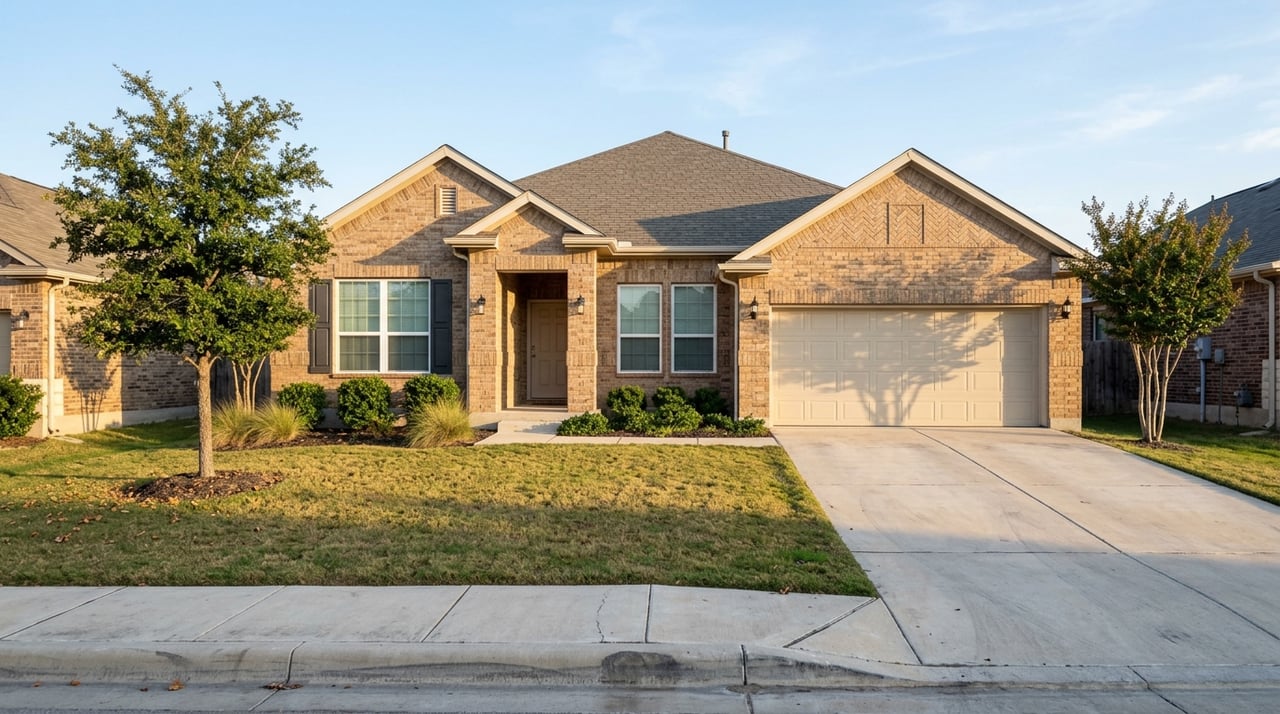
Trying to choose between Central Austin and the suburbs? You are not alone. A lot of buyers wrestle with the same question: do you want to be closer to the city’s walkable core, or do you want a more residential setup with a different pace of daily life? This guide breaks down how Central Austin and nearby suburbs compare in housing, commute, and lifestyle so you can make a decision that fits the way you actually live. Let’s dive in.
Central Austin vs the Suburbs
At a high level, this is less about one option being “better” and more about which housing pattern matches your priorities. Central Austin is a dense, walkable urban area with a mix of older homes, infill housing, condos, and smaller multifamily properties.
Nearby suburbs tend to be more ownership-heavy and more residential in feel. That usually means a different rhythm, with daily life centered more around neighborhoods, parks, and local commercial hubs instead of a dense urban grid.
What Central Austin Feels Like
Central Austin is not just one home style or one type of buyer. City planning materials describe it as a collection of dense, walkable urban neighborhoods with many homes built by the mid-1930s, along with duplexes, triplexes, accessory dwelling units, row houses, small apartment buildings, and condominiums.
That mix matters when you start your search. Instead of seeing mostly one housing format, you are more likely to come across older bungalows, small-lot infill homes, townhomes, condos, and apartment-heavy blocks, especially near key corridors and activity centers.
Another major draw is convenience. Central Austin planning documents note that residents are often within walking distance of restaurants, shops, grocery stores, offices, schools, and transit.
What the Suburbs Feel Like
The suburbs around Austin are not all the same, but they generally lean more toward ownership-focused residential living. Census data shows Austin has a 43.4% owner-occupied housing rate, while nearby suburbs are notably higher, including Round Rock at 55.5%, Cedar Park at 66.7%, Pflugerville at 69.9%, Leander at 73.4%, and Buda at 76.6%.
That does not mean every suburb offers the same price point or housing mix. It does suggest that if you picture yourself in a more neighborhood-centered setting, the suburban ring may line up better with your goals.
In practical terms, many buyers look to the suburbs for more room, a more traditional residential layout, or a daily routine built around driving rather than walking. That can be a very good fit if you value space and are comfortable with a less urban setup.
Housing Types You Are Likely to See
Central Austin housing mix
The City of Austin’s land-use categories include single-family, urban single-family, higher-density single-family, mixed residential, and multifamily uses. The city defines higher-density single-family as housing that can include townhouses and condominiums, while mixed residential can blend single-family homes, townhouses, duplexes, apartments, and limited neighborhood-serving retail.
For you as a buyer, that means Central Austin can offer a wider mix of property types in a smaller area. You may see a bungalow on one block, a duplex on the next, and condos or townhomes near a corridor or commercial area.
Suburban housing patterns
In the suburbs, the housing pattern often feels more uniform from one neighborhood to the next. While each city has its own character, buyers usually encounter a stronger concentration of owner-occupied homes and neighborhood-scale residential development.
That can make your home search feel more straightforward if you already know you want a detached home or a more traditional subdivision layout. It can also mean your tradeoff is less about property type and more about price, commute, and preferred location.
Price Expectations Are Not One-Size-Fits-All
One of the biggest misconceptions is that every suburb is dramatically less expensive than Austin. The data shows a more nuanced picture.
Austin’s median value of owner-occupied homes is $555,300. Nearby suburbs come in at $418,600 in Round Rock, $402,400 in Pflugerville, $446,600 in Buda, $513,600 in Cedar Park, and $506,200 in Leander.
So yes, some suburbs come in lower than Austin citywide. But the gap is not the same everywhere, and places like Cedar Park and Leander sit much closer to Austin’s median owner-occupied home value than many buyers expect.
If your goal is more house for the money, the suburbs often deserve a close look. Still, it helps to compare city by city rather than assuming all suburban options will create the same savings.
Commute Can Shape Your Daily Life
For many buyers, commute time becomes the tiebreaker. Austin’s mean commute time is 23.7 minutes, while nearby suburbs trend longer: 24.9 minutes in Round Rock, 25.5 in Cedar Park, 27.4 in Pflugerville, 29.0 in Buda, and 29.2 in Leander.
This points to a broad pattern. Inner-ring suburbs can still feel fairly connected to Austin, while communities farther out usually come with more driving time and a more car-centered routine.
If your work, errands, or social life happen mostly near Central Austin, living closer in may save time and reduce friction in your week. If you are comfortable spending more time in the car in exchange for a different housing setup, the suburban ring may make more sense.
Walkability and Daily Convenience
Why Central Austin stands out
If walkability is high on your list, Central Austin has a clear advantage. City planning documents emphasize walkability, transit proximity, and close access to everyday destinations.
That can change how you use your time. Being able to reach restaurants, shops, grocery stores, and parks without relying on a car for every stop can make daily life feel simpler and more flexible.
What convenience looks like in the suburbs
In the suburbs, convenience often comes in a different form. Instead of many amenities being woven into a dense street grid, they are usually grouped into parks, town centers, shopping areas, and recreation complexes.
That setup works well for many households. You may drive more, but your routine can feel organized around neighborhood living, local errands, and planned outings.
Recreation and Weekend Lifestyle
Lifestyle is not just about the house itself. It is also about where you spend your free time.
Central Austin has some of the city’s most concentrated recreation and event infrastructure. The Ann and Roy Butler Hike-and-Bike Trail at Lady Bird Lake is a 10-mile trail in the heart of Austin and receives more than 2.6 million visits per year. Zilker Metropolitan Park spans more than 350 acres and includes Barton Springs Pool, the botanical garden, the nature center, the amphitheater, the trail, and major events such as Austin City Limits Music Festival and the Trail of Lights.
That gives Central Austin a strong edge if you want quick access to major trails, city parks, and large public events. For some buyers, that kind of built-in activity matters just as much as the home itself.
The suburbs also offer strong recreation options, but the experience is different. Round Rock’s Old Settlers Park is 670 acres and serves as a major sports and recreation destination. Cedar Park’s Brushy Creek Lake Park offers a 90-acre park with a lake, trails, splash pad, and kayak launch. Leander manages about 400 acres of parkland, and Pflugerville’s system includes Lake Pflugerville, pools, splash pads, and trails.
So the real distinction is not whether there is anything to do. It is whether you want your amenities concentrated in Austin’s urban core or organized around local parks, downtown areas, and recreation centers.
A Simple Way to Decide
If you are stuck, try using this framework.
Central Austin may fit you better if you want:
- Walkability and easier access to daily errands
- A wider mix of housing types, including condos, townhomes, duplexes, and older homes
- Closer access to major parks, trails, restaurants, and events
- A lifestyle that feels more urban and less car-dependent
The suburbs may fit you better if you want:
- A more ownership-focused residential setting
- A home search centered more on neighborhood living
- Potentially more house for the money, depending on the suburb
- Park-centered recreation and a routine that works well with driving
The Best Choice Depends on Your Routine
The right answer comes down to how you want your day-to-day life to feel. If you want mixed housing, urban convenience, and quick access to the city’s core amenities, Central Austin may be the better match.
If you want a more residential setup, higher homeownership patterns, and a lifestyle organized around suburban neighborhoods and parks, the suburbs may be the smarter move. The key is matching your budget, commute tolerance, and preferred routine to the location that supports them.
When you are ready to compare Austin neighborhoods, suburban growth corridors, or entry-to-mid-market options side by side, Bolanos Realty can help you narrow the field and move with confidence.
FAQs
Is Central Austin more walkable than Austin suburbs?
- Yes. Central Austin planning documents emphasize walkability, transit access, and close proximity to restaurants, shops, grocery stores, offices, and other daily destinations.
Are Austin suburbs always cheaper than Central Austin?
- No. Several nearby suburbs have lower median owner-occupied home values than Austin citywide, but Cedar Park and Leander are closer to Austin’s median than Round Rock, Pflugerville, or Buda.
What kinds of homes are common in Central Austin?
- Buyers in Central Austin are more likely to see older bungalows, small-lot infill homes, duplexes, townhomes, condos, and small multifamily properties.
What kinds of homes are common in Austin suburbs?
- Nearby suburbs generally lean more toward owner-occupied residential housing patterns and neighborhood-scale living, often with a more traditional home search experience.
Does living in an Austin suburb usually mean a longer commute?
- Usually, yes. Census data shows Austin’s mean commute time at 23.7 minutes, with nearby suburbs ranging higher, including Round Rock, Cedar Park, Pflugerville, Buda, and Leander.
Is Central Austin or the suburbs better for parks and recreation?
- It depends on the lifestyle you want. Central Austin offers concentrated access to major parks, trails, and events, while suburbs often organize recreation around large parks, sports facilities, lakes, and town centers.