Wondering what kind of home life Temple really offers? If you are trying to balance budget, commute, home style, and how much space you want, Temple gives you more than one path. From established central neighborhoods to newer subdivision homes and larger properties on the edge of town, this guide will help you understand how Temple’s housing options line up with different priorities. Let’s dive in.
Temple Housing Options at a Glance
Temple offers three broad housing choices: established in-town neighborhoods, newer suburban-style subdivisions, and acreage properties near the city edge or outside city limits. That range gives you flexibility whether you want character, a more turn-key home, or extra land.
The numbers also help set expectations. Census data shows a median owner-occupied home value of $239,000 in Temple, while Realtor.com reports a current median listing price of $287,000. Temple also has a mean travel time to work of 21.0 minutes, which gives you a useful starting point as you compare location and daily convenience.
In-Town Neighborhoods in Temple
If your top priorities are central location, established streets, and easier access to downtown activity, Temple’s in-town neighborhoods are often the first place to look. The city highlights districts such as Downtown, Historic, Midtown, Ferguson Park, Garden, Jackson Park, Temple Heights, and TMED.
Temple’s neighborhood efforts also focus on older areas through public improvements and housing reinvestment projects across its core planning districts. For buyers, that means these neighborhoods are not just older on a map. They are part of the city’s ongoing planning and reinvestment story.
Downtown and Historic Areas
Downtown Temple is known for its historic setting and concentration of amenities. City and tourism sources describe unique architecture, shopping, live entertainment, locally owned restaurants, nightlife, museums, and year-round events, along with continued revitalization through renovated historic buildings, new businesses, and added parking garages.
If you want the most urban setting Temple offers, the central districts are the clearest fit. You may find that this part of the city works well if being near civic, cultural, and entertainment spaces matters more than having a larger lot.
Garden District and Jackson Park
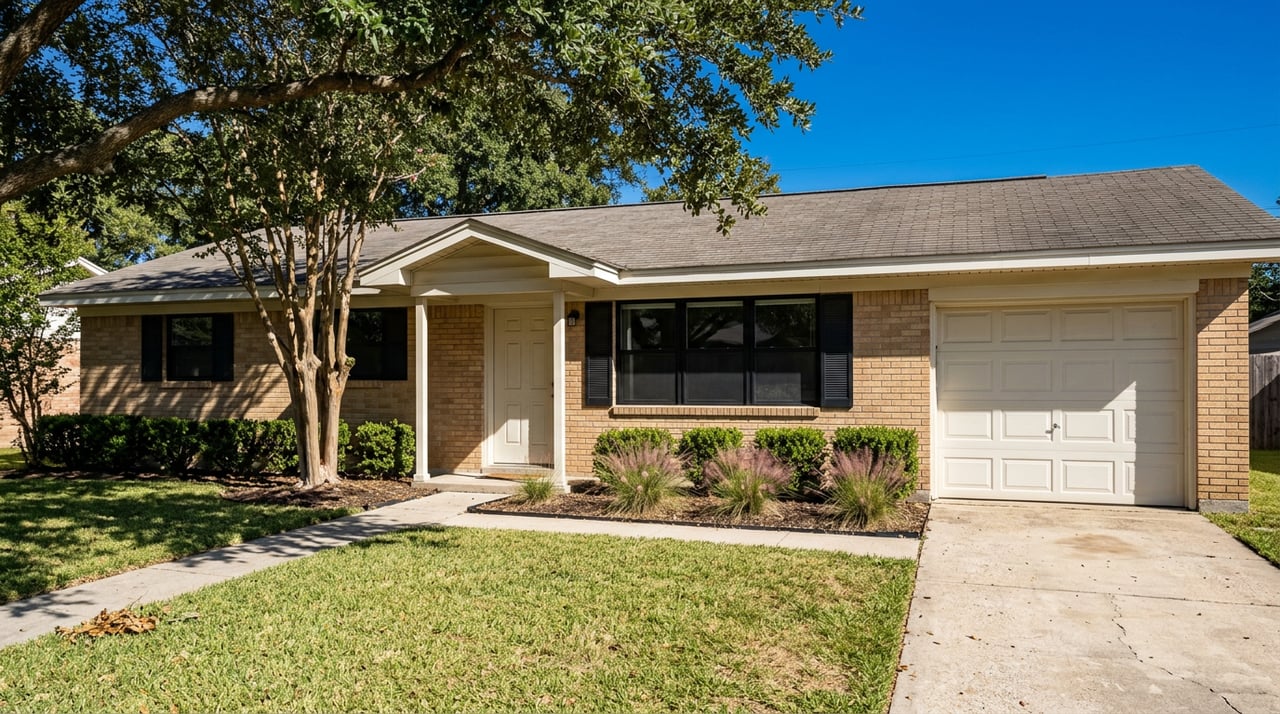
The Garden District is known for mid-century ranch-style homes and a location near downtown, the historic district, and outdoor spaces. It is one of the clearest examples of Temple’s established residential feel, especially if you like homes with a more classic layout and neighborhood context.
Jackson Park has cottages on tree-lined streets and access to a park trail designed to work for kids, bikes, dogs, and accessibility needs. If you want an in-town setting with a smaller-scale residential feel, this area may stand out.
Midtown, Ferguson Park, Temple Heights, and TMED
Midtown is one of Temple’s original developments and includes notable landmarks and institutions. Ferguson Park sits close to the downtown core and is connected to parks, pedestrian links, bike lanes, new water lines, and neighborhood lighting.
Temple Heights combines homes with schools, churches, and nearby business corridors. TMED serves as Temple’s health and education hub, anchored by Baylor Scott & White, the VA, Temple College, Texas A&M Health Science Center, and THBD. If your routine centers around healthcare or education employment and services, TMED can be an especially practical area to explore.
Newer Subdivisions and New Construction
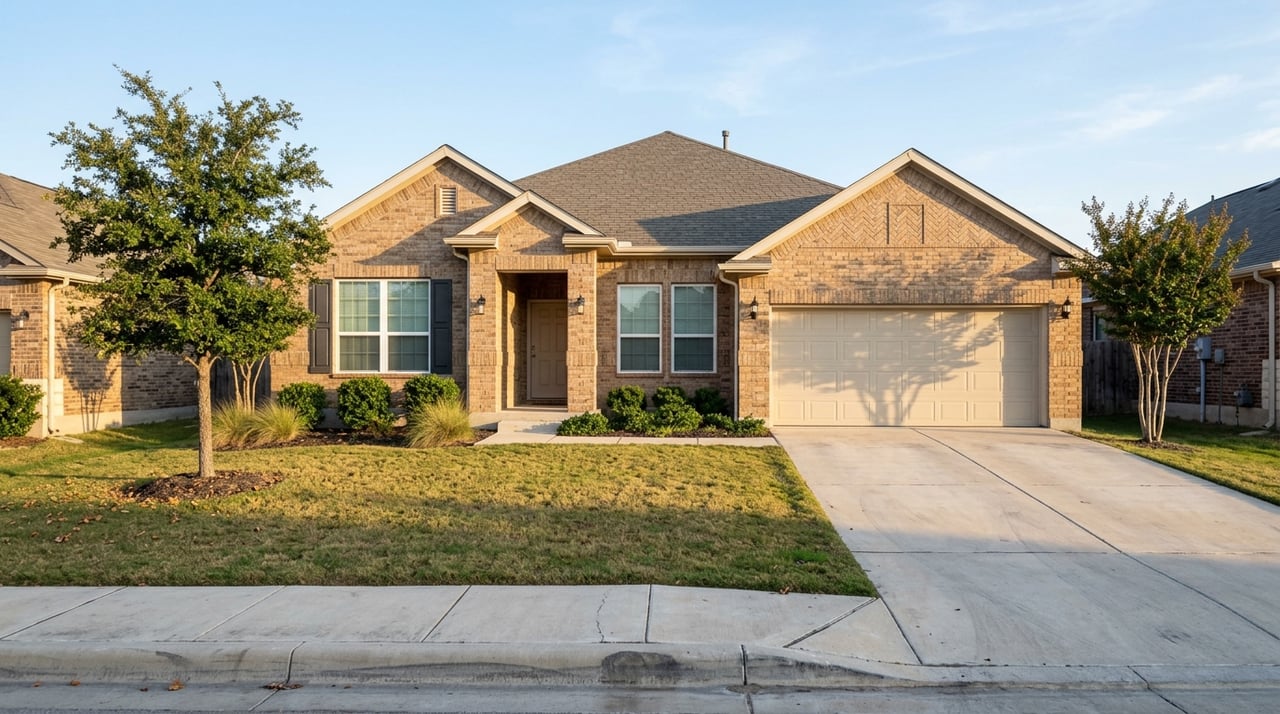
If you prefer a newer home, more standardized floor plans, or a subdivision setting, Temple has a sizable new-construction market. Realtor.com currently shows 660 new-construction listings, with a median listing price of $275,000 and an average of 88 days on market.
That is slightly below the citywide median listing price of $287,000 reported on the same portal. For many buyers, that makes Temple worth a closer look if you want a newer build without limiting yourself to one narrow price band.
What Newer Temple Homes Look Like
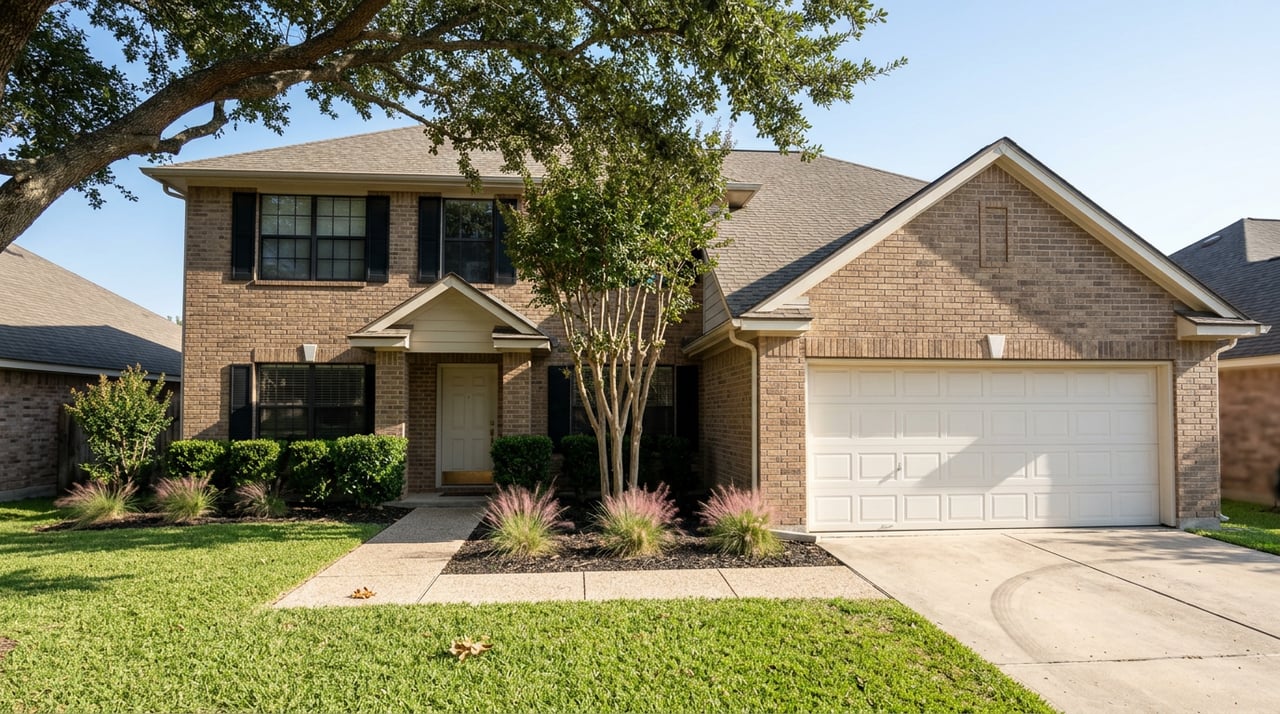
Current listings suggest Temple’s new-build market is still largely made up of detached single-family homes. Sample homes include 4-bedroom layouts around 1,875 to 3,064 square feet, with lot sizes ranging from compact suburban parcels to sites near half an acre.
Examples in the current inventory include homes like 2221 Bigtooth Maple Rd with 1,956 square feet on a 5,663 square foot lot, 15938 Brazos Dr on a 0.36-acre lot, 1823 Ember Dr on a 0.55-acre lot, and 2134 Iron Branch Rd with more than 3,000 square feet on a 0.49-acre lot. That spread shows that newer homes in Temple are not all built on the same template.
Price Range and Buyer Appeal
The current sample listings range from about $209,990 to $484,999. Some smaller starter-style homes fall around 1,413 to 1,510 square feet, while larger homes move beyond 2,000 square feet.
If you are a first-time buyer or moving up into a larger home, this part of the market may offer a practical mix of size and price options. Temple’s search tools also show buyers can look for features like big lots, no-HOA homes, townhomes, farms, and land, which broadens the menu beyond a typical subdivision search.
Acreage Properties Near Temple
If your goal is more land, added separation from neighboring homes, or a property with more flexibility, Temple also has a visible acreage market. Zillow’s current Temple land page shows 151 listings, including tracts up to 36 acres.
There is also a dedicated 1-acre search showing 45 active homes or tracts with lot sizes ranging from 1.05 acres to 8.89 acres. That makes acreage a real part of the Temple market, not just an occasional outlier.
What You Can Find on the Edge of Town
Current examples include 8104 Evenfall Ln at 1.05 acres, 8184 Evenfall Ln at 1.49 acres, 3085 Acres Spur at 5 acres and outside city limits, 6939 Cedar Creek Rd at 5.84 acres, and 14655 FM 2086 at 5.17 acres. These listings show how quickly lot size can change once you move toward the city edge.
Search filters for this segment often include big lot, horse stables, no HOA, land, and farm categories. Some listings also highlight fenced areas or expansive yards, which can matter if land itself is a major part of your decision.
What to Check Before You Buy Acreage
Acreage properties tend to be more site-specific than neighborhood homes in town. Before you write an offer, it is smart to confirm utilities, access, drainage, and deed restrictions.
That extra due diligence can make a big difference, especially when a property sits outside city limits or on a more rural road. If land and flexibility matter most to you, this segment can be appealing, but it usually requires a more careful review than a typical subdivision purchase.
How Commute and Access Fit In
Temple sits along I-35, about an hour from Austin and just over half an hour from Waco. It is also minutes from Belton, which helps explain why the city often appeals to buyers looking for regional access, not just a local move.
At the same time, TxDOT says the I-35 segment between Belton and Temple is inadequate for current and future traffic volumes, with congestion and reduced mobility. That means your preferred home style should be weighed against your regular drive pattern, especially if you expect to use I-35 often.
How to Choose the Right Temple Housing Style
A simple way to narrow your options is to start with your top priority. Temple’s housing choices become much easier to sort once you know what matters most day to day.
Here is a quick way to think about it:
- Choose in-town neighborhoods if you want character, central access, and proximity to downtown, healthcare, or civic spaces.
- Choose newer subdivisions if you want newer construction, more standardized layouts, and a wider range of turn-key single-family options.
- Choose acreage properties if you want more ground, more flexibility, or a property that feels farther removed from the city core.
In practical terms, Temple can be understood as a market with three strong lanes. Older neighborhoods offer character and convenience, newer subdivisions support turn-key suburban living, and edge-of-town acreage gives you room to spread out.
Why Temple Gives Buyers Flexibility
One of Temple’s biggest strengths is variety. The city’s search portal includes single-family homes, townhomes, multifamily homes, mobile homes, farms, and land, which is a broader mix than many buyers expect.
That variety matters because not every move looks the same. You may be buying your first home, looking for a newer floor plan, searching for land, or trying to stay close to major employers and services. Temple gives you multiple ways to approach that decision.
If you want help comparing Temple neighborhoods, new construction, or acreage options based on your budget and goals, Bolanos Realty can help you build a smart shortlist and move forward with confidence.
FAQs
What types of homes are available in Temple, TX?
- Temple’s current search options include single-family homes, townhomes, multifamily homes, mobile homes, farms, land, newer construction, and acreage properties.
Which Temple areas are considered in-town neighborhoods?
- Temple highlights in-town districts such as Downtown, Historic, Midtown, Ferguson Park, Garden, Jackson Park, Temple Heights, and TMED.
Is there a strong new construction market in Temple, TX?
- Yes. Realtor.com shows 660 new-construction listings in Temple, with a median listing price of $275,000 and an average of 88 days on market.
Can you find acreage properties in Temple, TX?
- Yes. Current land and 1-acre searches show active listings ranging from just over 1 acre to larger tracts, including properties up to 36 acres.
What should you check before buying land near Temple?
- Before buying acreage or edge-of-town property, you should confirm utilities, access, drainage, and deed restrictions because those details can vary by site.
How does commute planning affect where you buy in Temple?
- Commute planning matters because Temple’s average travel time to work is 21 minutes, and TxDOT reports congestion and reduced mobility on the I-35 segment between Belton and Temple.