If you want a home in Cypress with less yard work and a simpler upkeep routine, a townhome or patio home may be exactly what you are looking for. Many buyers like the idea of easier maintenance, but the labels on listings can be confusing and the HOA details can change the real cost of ownership. This guide will help you understand how these home types usually work in Cypress, what questions to ask, and what to review before you buy. Let’s dive in.
Why townhomes and patio homes fit Cypress
Cypress is an unincorporated community in Harris County about 25 miles northwest of Houston. The area is shaped by subdivisions and master-planned development, which makes lower-maintenance housing a natural fit for many buyers.
If you want a home that may offer less exterior upkeep than a traditional house, Cypress gives you plenty of options to explore. In this kind of subdivision-heavy market, attached homes and smaller-footprint homes often appeal to buyers who want a practical balance of space, convenience, and maintenance.
What a townhome usually means
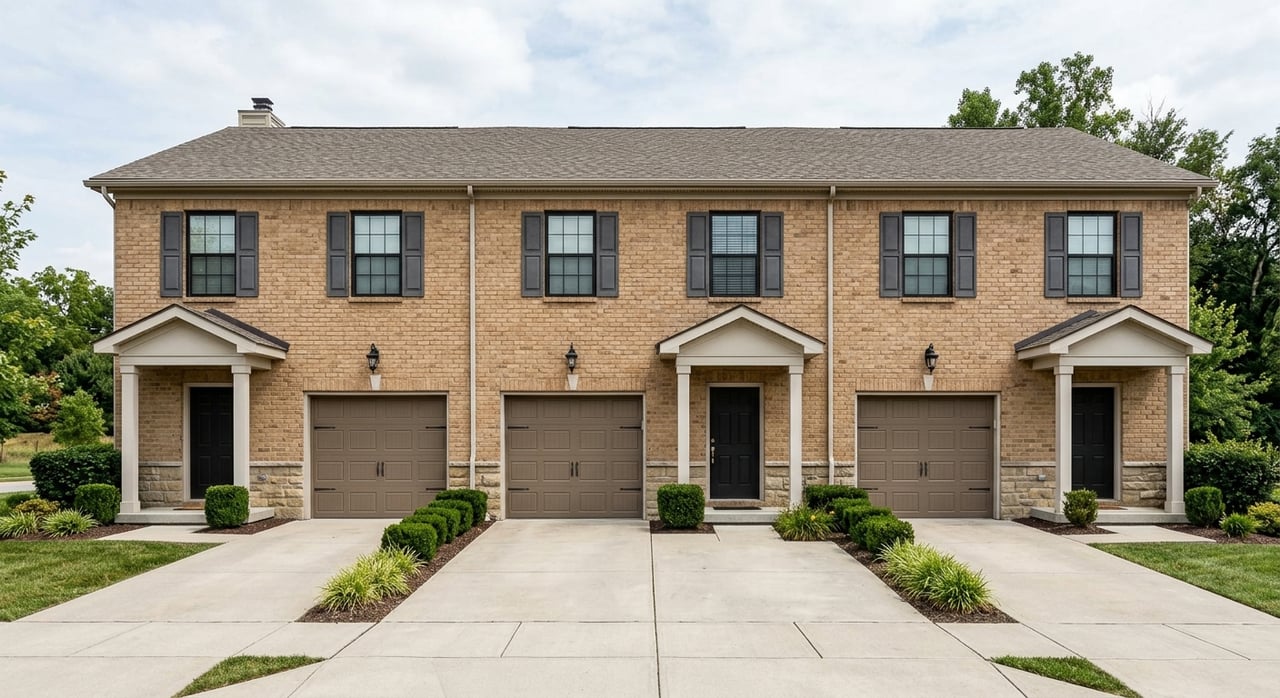
A townhome has a more specific meaning than many other housing labels. HAR describes a townhome as a house connected on at least one side, usually with no units above or below, and often built with two or three stories.
In some cases, a townhome is individually owned real estate and you may also own the land under it. In other cases, the ownership and maintenance setup may be part of a common-interest development, so it is important to confirm the legal structure instead of relying on the listing description alone.
What a patio home usually means
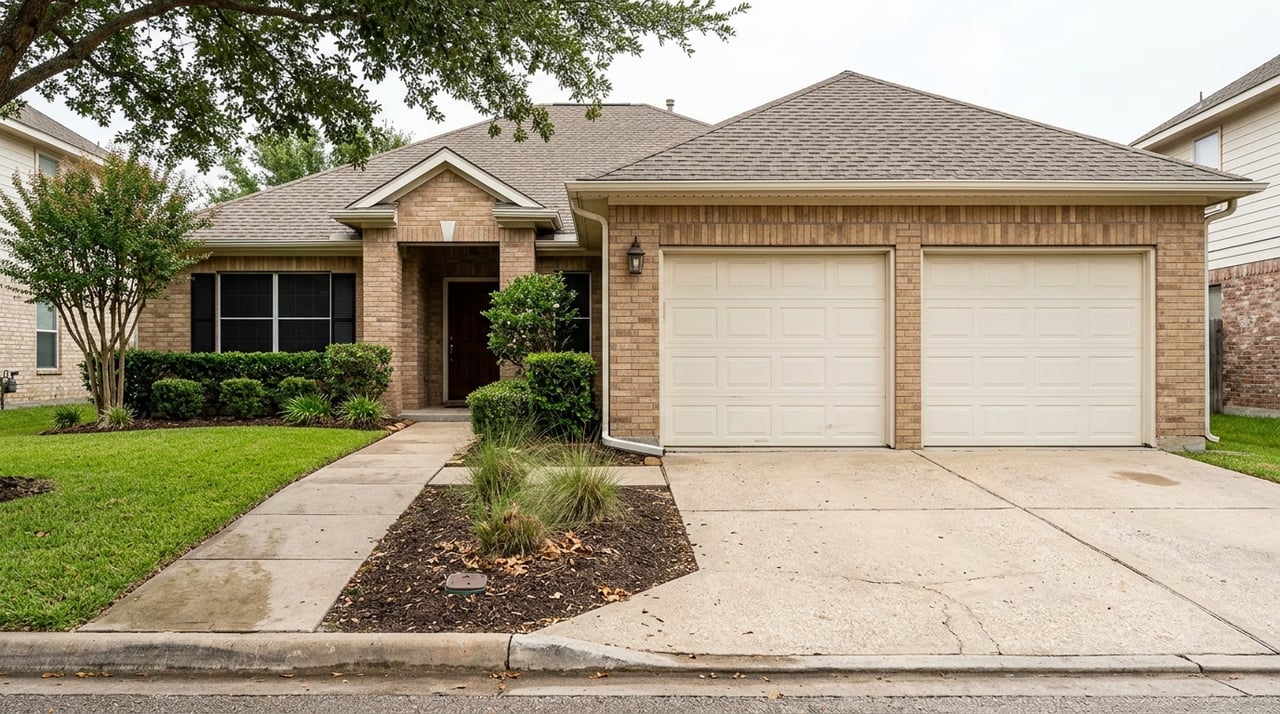
A patio home is a less exact term in Texas real estate. In many communities, it usually refers to a smaller, lower-maintenance home with a patio-focused outdoor space and less yard work than a traditional single-family house.
That said, the label can vary from one Cypress neighborhood to another. A patio home may be detached or attached, and the deed or HOA documents may treat it as fee-simple property, a condo-style product, or another planned-development setup.
Townhome vs patio home basics
The biggest difference is often not the marketing label. It is how the home is built, how ownership is structured, and what the association maintains.
| Feature | Townhome | Patio Home |
|---|---|---|
| Structure | Usually attached on at least one side | May be attached or detached |
| Outdoor space | Often limited private yard | Usually smaller yard or patio-centered space |
| Common appeal | Lower-maintenance living | Lower-maintenance living |
| Ownership setup | Can vary by community | Can vary by community |
| Key buyer task | Verify legal structure and HOA duties | Verify legal structure and HOA duties |
For many Cypress buyers, both options can work well if your goal is to reduce upkeep. The best choice depends on how much privacy, yard space, and shared maintenance you want.
Why the HOA matters so much
In Cypress, the HOA is often where the real story is. A lower-maintenance home may save you time, but that benefit only makes sense when you understand exactly what the dues cover and what they do not.
Common-interest housing can include individually owned areas and shared areas such as landscaping, parking, pools, clubhouses, exteriors, fences, and roofs. In some condo-style communities, the association may handle lawn care, exterior painting, and roof repair, but that is not automatic in every neighborhood.
Texas uses HOA as a broad term for property owners’ associations and unit owners’ associations. TREC states that it does not regulate HOAs, and it also notes that there are no state agencies with enforcement jurisdiction over HOA activities.
What low-maintenance really means
Low-maintenance does not always mean low-cost. A smaller yard or simpler exterior can be attractive, but dues, transfer fees, special assessments, and use restrictions can affect your budget and your day-to-day experience.
That is why you should look past the sales pitch and review the governing paperwork. In Cypress, the smartest way to compare townhomes and patio homes is to measure the maintenance tradeoff against the monthly and one-time costs tied to the association.
Questions to ask before you buy
Before you make an offer, ask direct questions about how the home is classified and what the HOA handles. This helps you compare homes more accurately and avoid surprises after closing.
Here are some of the most useful questions for Cypress buyers:
- Is this a fee-simple townhome, a condo, or another patio-home product?
- Does the HOA maintain the roof, siding, paint, fencing, landscaping, gates, or common-area insurance?
- Are there special assessments, pending lawsuits, or transfer fees?
- Where are the declaration, bylaws, rules, and architectural guidelines posted?
- Are rentals, exterior changes, or parking governed by additional restrictions?
- If the home has an attached garage, does the inspection show proper fire separation and a compliant garage-to-house door?
Review the right Texas documents
For many buyers, the most important step is getting the right documents early. In Texas, Property Code Chapter 207 requires a property owners’ association to provide key documents within 10 business days of a written request.
Those documents include a current copy of the subdivision restrictions, the bylaws and rules, and a resale certificate prepared within the prior 60 days. The resale certificate can reveal details that directly affect your decision, including regular and special assessments, unpaid amounts, approved capital expenditures, reserves, the current operating budget and balance sheet, pending lawsuits, insurance for common areas, known violations, transfer fees, administrative fees, and foreclosure rights.
The HOA may charge up to $375 to assemble and deliver the information, plus up to $75 for an update certificate. Those costs are worth knowing upfront so you can plan your due diligence budget.
Use the management certificate database
Another helpful tool is the Texas management certificate database. Texas law requires a management certificate to include the subdivision and association name, recording data, mailing address, manager contact information, transfer-fee information, and the website where dedicatory instruments are available.
Buyers can search the certificate on the state HOA database by name, county, city, or ZIP code. If a certificate does not appear there, TREC advises checking with the county clerk or the HOA itself.
Know which rules apply
Not every attached or lower-maintenance home follows the same legal framework. Chapter 207 applies to property owners’ associations, but it does not apply to condominium unit owners’ associations governed by Chapter 82.
That distinction matters because it can affect the documents you review and how the community is managed. You should also know that dedicatory instruments must be filed in county real property records, and some associations with at least 60 lots or a management company must make current versions available on a website for members.
Compare cost, upkeep, and flexibility
When you narrow your options in Cypress, it helps to compare each home in three simple categories. Price is important, but it should not be the only factor.
Cost includes the purchase price, monthly dues, transfer fees, and any known assessments. Upkeep includes what you handle yourself versus what the HOA handles. Flexibility includes rules on parking, rentals, and exterior changes.
A home with a slightly higher monthly HOA fee may still be the better value if it reduces major maintenance responsibilities. On the other hand, a lower-fee property may leave you responsible for more repairs and exterior costs over time.
A practical Cypress buying strategy
In Cypress, townhomes and patio homes can be a smart fit if you want a more manageable homeownership experience. The key is to focus less on the listing label and more on the legal structure, maintenance responsibilities, and association rules.
A clear review process can make your search much easier:
- Confirm whether the home is a townhome, condo, or another patio-home product.
- Ask what the HOA maintains and what you maintain.
- Review dues, transfer fees, and any special assessments.
- Request and read the resale certificate, restrictions, bylaws, and rules.
- Check for parking, rental, and exterior-change restrictions.
- Use the inspection period to look closely at attached features like garages, roofs, and shared walls where applicable.
If you want help comparing Cypress townhomes and patio homes, the team at Bolanos Realty can help you sort through the details and find the right fit for your budget and lifestyle.
FAQs
What is a townhome in Cypress, TX?
- A townhome in Cypress usually means a home connected on at least one side, often with no units above or below, but you should still verify the exact ownership and HOA structure.
What is a patio home in Cypress, TX?
- A patio home in Cypress usually refers to a smaller, lower-maintenance home with less yard work, but the term can vary by community and may describe either attached or detached homes.
Are townhomes and patio homes in Cypress always cheaper to own?
- Not always. A lower purchase price or less yard work can be offset by HOA dues, transfer fees, special assessments, or exterior maintenance responsibilities.
What HOA documents should Cypress buyers review?
- Cypress buyers should review the subdivision restrictions, bylaws, rules, and resale certificate, since those documents can show assessments, reserves, fees, insurance details, violations, and other key ownership terms.
How can buyers check HOA information in Cypress, TX?
- Buyers can search the Texas management certificate database by association name, county, city, or ZIP code, and if needed, check with the county clerk or the HOA directly.
What should buyers ask about a Cypress attached garage?
- Buyers should ask whether the inspection shows proper fire separation and a compliant garage-to-house door, since TREC inspection standards specifically address those safety items.