Thinking about selling your home in Georgetown this year? With the market softer than the 2021–22 peak and buyers taking more time to compare options, the prep work you do now can make a real difference. You want to focus on the updates that matter, avoid overspending, and launch with standout marketing. This guide gives you a clear 3-12 month plan tailored to Georgetown, including ROI-smart projects, staging tactics, pricing guidance, and Texas-specific disclosures so you can list with confidence. Let’s dive in.
Understand today’s Georgetown market
Georgetown is seeing a more balanced environment than the frenzy of recent years. Listings often spend more time on the market, and buyers scrutinize condition, price, and presentation. The right prep can shorten days on market and support stronger offers.
Neighborhood dynamics vary. Communities like Sun City, Old Town, Wolf Ranch, and Berry Creek each have different buyer pools, price points, and showing patterns. Plan your timeline and pricing against recent neighborhood comps and active inventory.
If your schedule allows, aim to be market ready in spring. National studies show buyer traffic typically peaks from March to May, which can help exposure and momentum. You can read more about seasonal timing in this overview of the best time to sell a house from Bankrate. (Bankrate)
Prioritize repairs that move the needle
Start with safety and systems. Repair or fully disclose known issues like roof leaks, active water intrusion, major plumbing problems, electrical hazards, and HVAC failures. Texas law requires most sellers to provide a written disclosure of property condition. Review the statute so you know what to include. (Texas Property Code §5.008)
If your home was built before 1978, federal rules require a lead-based paint disclosure and delivery of the EPA/HUD pamphlet to buyers. Plan for that paperwork early. (HUD Lead Disclosure Fact Sheet)
Project costs have climbed in recent years due to labor and materials. That makes it even more important to target smaller, high-visibility updates that buyers notice. (AP News on remodeling cost trends)
High-ROI updates for resale
National Cost vs. Value data highlights exterior and midrange refreshes as strong performers at resale. Focus your budget here. (Remodeling Cost vs. Value 2025)
- Garage door replacement. Consistently among the highest-resale-return projects.
- New steel entry door or a well-executed front door refresh. Big curb appeal for a modest cost.
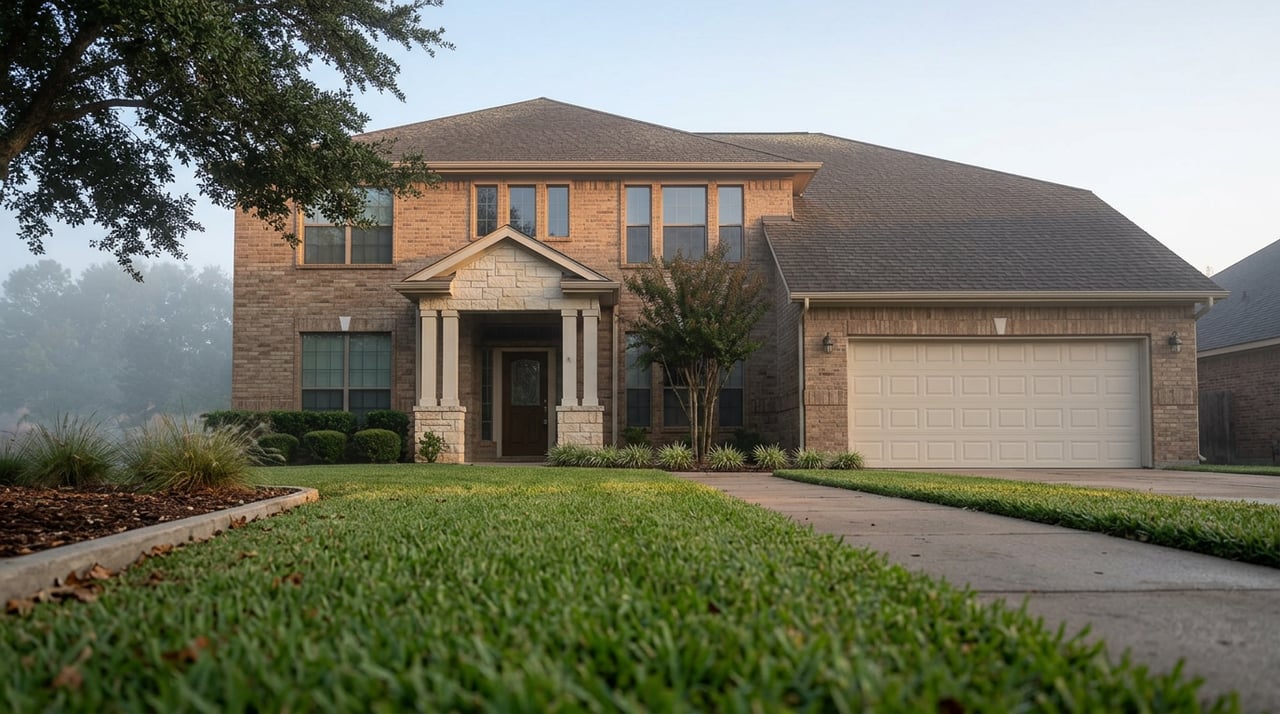
- Manufactured stone veneer or strategic exterior repairs. Strong first impression for online photos and showings.
- Minor kitchen refresh. Refinish or paint cabinet fronts, update hardware, counters, lighting, and faucet rather than a full gut.
- Midrange bathroom refresh. New vanity top, lighting, fixtures, and grout/caulk touch-ups.
Think twice about big remodels
Major kitchen overhauls, room additions, or high-end custom work rarely return their full cost when you plan to sell soon. If you are listing in the next 3–12 months, keep scope targeted to what buyers in your price range expect and what photography will showcase well.
Staging, photos, and curb appeal that sell
Presentation directly affects buyer perception and time on market. According to NAR research, 81 percent of buyers’ agents say staging helps buyers visualize a property as their future home. Prioritize the living room, primary bedroom, and kitchen if you must choose. (NAR Profile of Home Staging)
Here is a practical listing presentation checklist:
- Declutter and deep clean. Remove excess furniture and personal items, clear surfaces, and organize closets. It is the highest impact, lowest cost step.
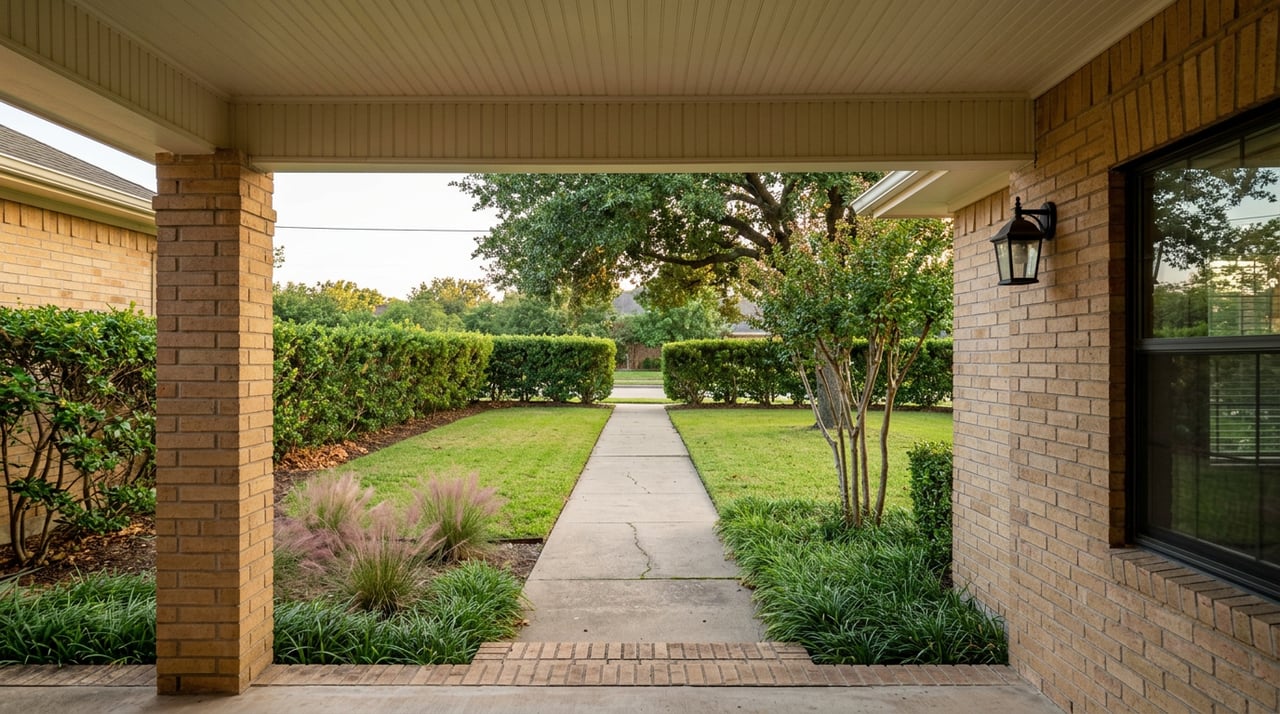
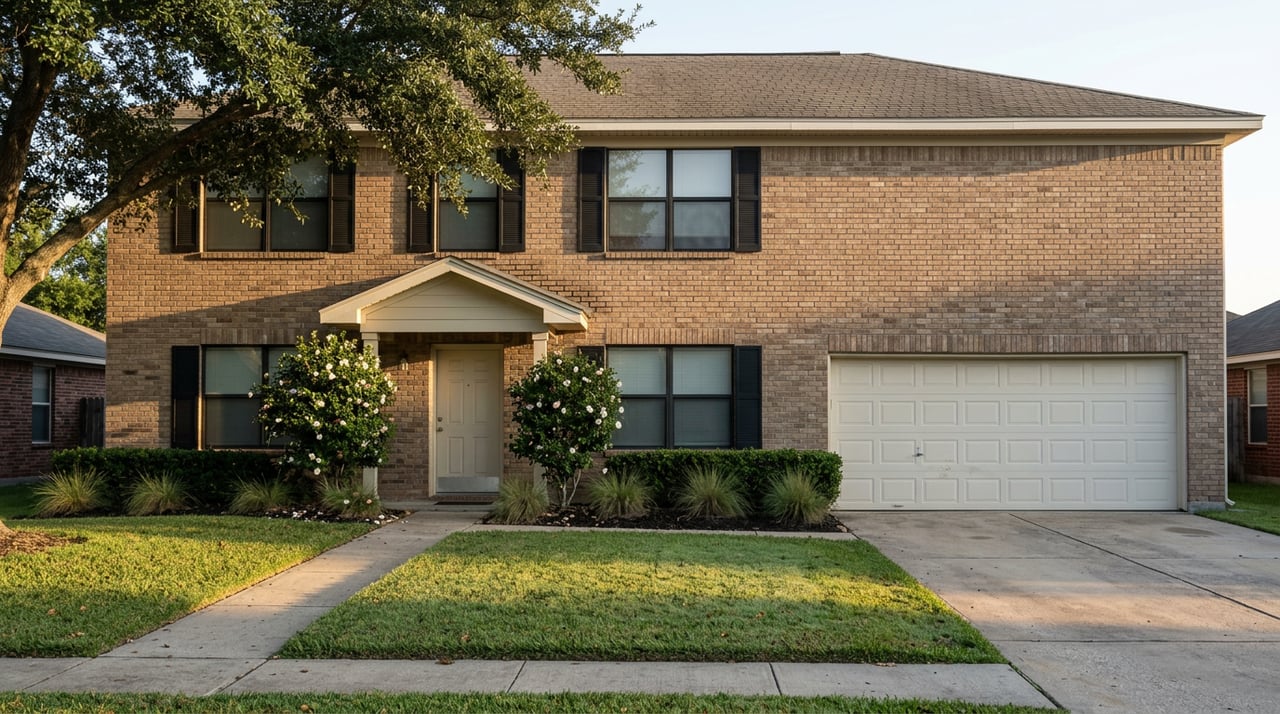
- Boost curb appeal. Edge and mulch, pressure wash hardscapes, touch up trim, refresh the front door, and add potted plants with seasonal color.
- Refresh interiors. Apply neutral paint where needed, replace burnt bulbs, and update tired light fixtures and cabinet hardware.
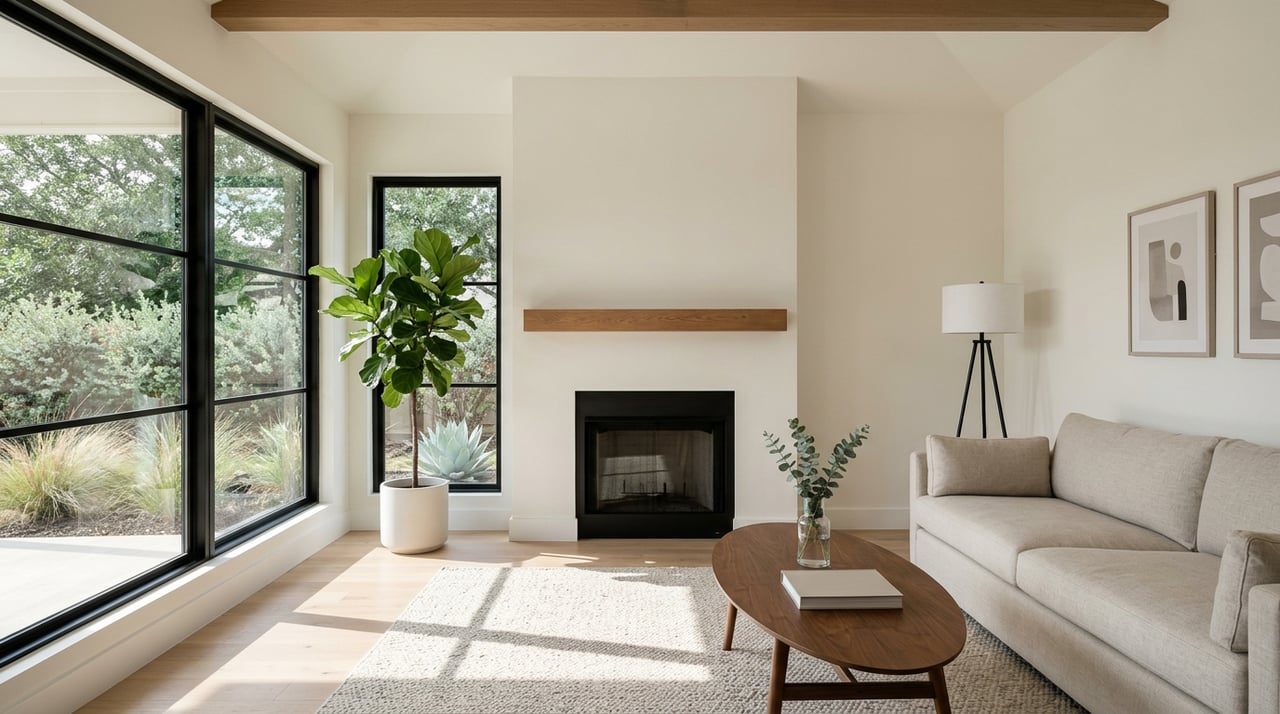
- Stage key rooms. Focus on the living room, primary bedroom, and kitchen. Use tasteful, neutral decor that opens sightlines and emphasizes natural light.
- Book professional photography and a floor plan or virtual tour. Time staging and cleaning to finish right before photo day. Twilight exterior shots are worth it for online appeal.
NAR notes the median spend on staging services is modest relative to sale proceeds, and partial staging or an agent-guided setup can work well. (NAR Profile of Home Staging)
Price smart with neighborhood comps
Anchoring your price to real, recent sales in your neighborhood is essential. Work with your agent on a comparative market analysis that focuses on:
- Comparable closed sales. Prioritize properties similar in size, beds/baths, age, lot, and condition, sold within the last 30–90 days when available.
- Price per square foot. Use it as a reference point, then adjust for finish level, lot characteristics, floor plan functionality, and recent updates.
- Sale-to-list ratio and price reductions. If similar homes are closing below list or cutting price, plan a more competitive initial list price.
- Days on market. Longer DOM signals buyers have leverage. Strong presentation and realistic pricing help you avoid stale listing status.
- Active vs pending mix. A high number of competing active listings with few pendings suggests pricing conservatively to win attention early.
A helpful approach is to group 3–5 nearby solds with a quick note on condition and DOM, then define expectations for a home like yours if updated vs if mostly original. Your agent will tailor this to Sun City, Old Town, Wolf Ranch, Berry Creek, or your specific subdivision.
Your 3-12 month prep plan
Use this timeline to spread out decisions and keep momentum.
12 months out
- Ask your agent for a walkthrough to flag major systems and safety items. Consider a pre-listing inspection if you suspect roof, foundation, or plumbing issues.
- Decide which items you will repair versus disclose. Keep receipts and records for everything.
6–9 months out
- If you will do larger refreshes, request 2–3 bids and verify contractor timelines and permits. Book early since lead times can reach several weeks.
- Prioritize exterior curb appeal upgrades and any high-ROI items from the Cost vs. Value list. (Remodeling Cost vs. Value 2025)
3 months out
- Complete repairs and cosmetic updates like paint, lighting, grout, and hardware.
- Start decluttering, donate or store items, and pre-pack off-season belongings.
- If you plan to stage with rental furniture, coordinate dates now.
2–4 weeks out
- Finalize staging and schedule professional photos, video, and virtual tour.
- Prepare your Seller’s Disclosure and gather permits, receipts, and warranties. If your home was built before 1978, prepare the lead disclosure and pamphlet. (Texas Property Code §5.008) (HUD Lead Disclosure Fact Sheet)
Listing week
- Do a last deep clean, touch up landscaping, and refresh staging the morning of photos.
- Launch mid-week to capture weekend search traffic and plan your showing strategy.
First 7–14 days on market
- Monitor showing feedback and traffic. If activity is slow, be ready to adjust price or terms within 2–3 weeks. Early momentum is key to a strong result.
What to gather before you list
Getting your paperwork organized up front speeds negotiations and reduces friction during escrow.
- Seller’s Disclosure of Property Condition required in Texas. (Texas Property Code §5.008)
- Lead-based paint disclosure and EPA/HUD pamphlet if built before 1978. (HUD Lead Disclosure Fact Sheet)
- Permits and contractor receipts for any structural, electrical, or plumbing work.
- HOA documents and contact info if applicable, plus dues and transfer requirements.
- Utility averages and recent service info for HVAC, roof, pest treatments, and appliance warranties.
- A simple upgrades and maintenance log with dates and costs.
Georgetown seller pro tips
- Paint the front door and refresh exterior lighting for standout listing photos.
- Stage the living room, primary bedroom, and kitchen first if budget is tight.
- Time your listing for spring if you can, but a well-prepared home can shine in any season.
- Avoid over-improving. Midrange refreshes usually beat luxury overhauls for resale.
- Be responsive to early feedback and adjust quickly to protect momentum.
Ready to sell with confidence
If you want a smooth, well-marketed sale, partner with a team that combines neighborhood expertise with strong digital presentation. The team at Bolanos Realty provides full-service listing coordination, practical staging guidance, professional marketing, and MLS reach, plus hands-on help for out-of-town sellers. Schedule your free consultation to map your timeline, budget, and pricing strategy.
FAQs
Do I need to replace my roof before selling in Georgetown?
- If the roof leaks or is near failure, repair or replace it. If it is older but functional, disclose its condition and consider a buyer credit based on your agent’s guidance. Texas requires disclosure of known material issues. (Texas Property Code §5.008)
Will staging my Georgetown home actually pay off?
- NAR reports that 81 percent of buyers’ agents say staging helps clients visualize a property, which often supports a faster sale and stronger offers. Prioritize the living room, primary bedroom, and kitchen. (NAR Profile of Home Staging)
Should I do a full kitchen remodel before listing?
- Usually no. Large custom kitchen overhauls rarely return full cost at resale. A minor kitchen refresh with new fronts or paint, counters, lighting, and hardware is typically a better value for a near-term sale. (Remodeling Cost vs. Value 2025)
What is the best time to list a home in Georgetown?
- Spring often brings the largest buyer pool, which can help exposure and momentum. If timing is flexible, target March to May. If not, focus on pricing and presentation to compete well in any season. (Bankrate)
What disclosures are required when selling a Texas home?
- Most single-family sellers must deliver a written property condition disclosure by or before contract effective date, plus a lead-based paint disclosure for homes built before 1978. Review the statute and HUD fact sheet for details. (Texas Property Code §5.008) (HUD Lead Disclosure Fact Sheet)