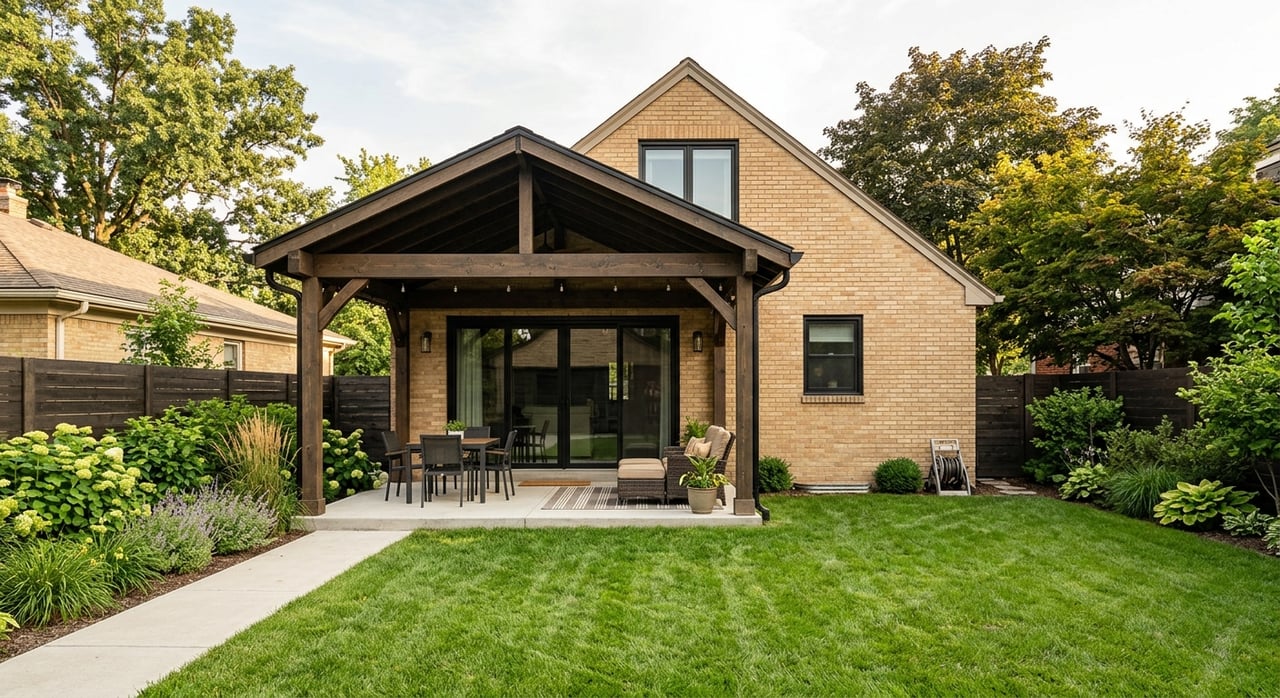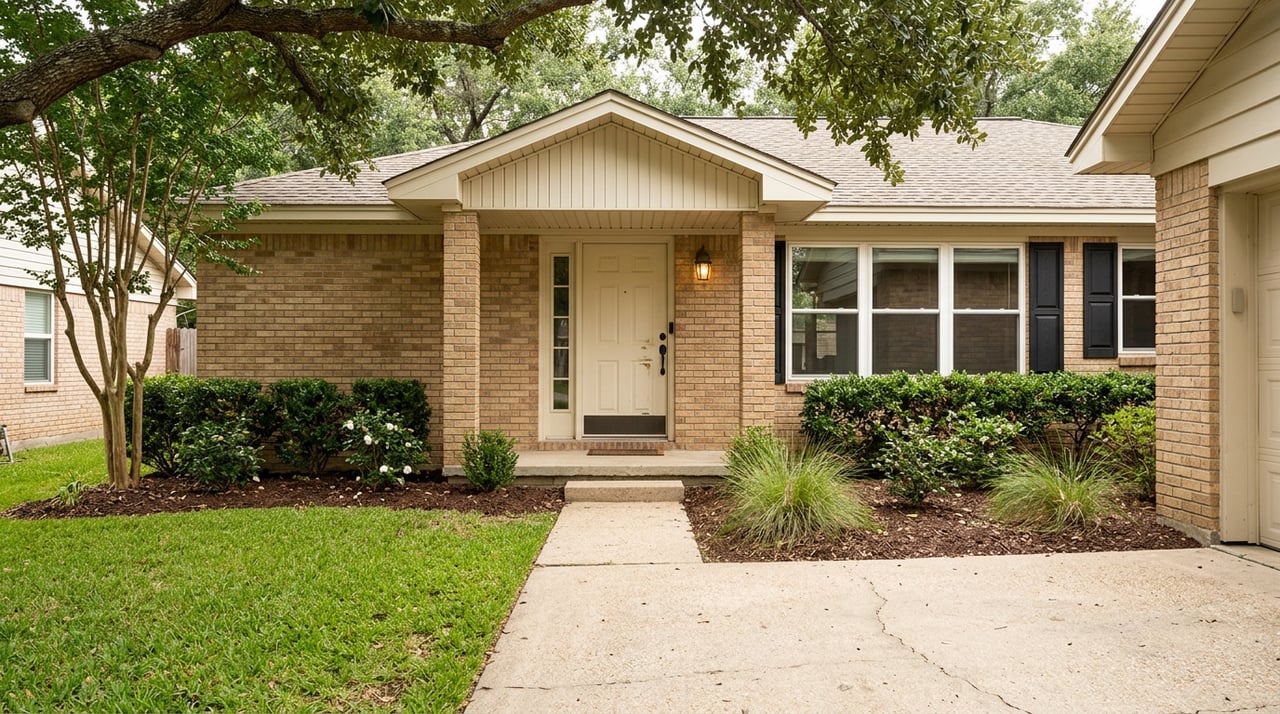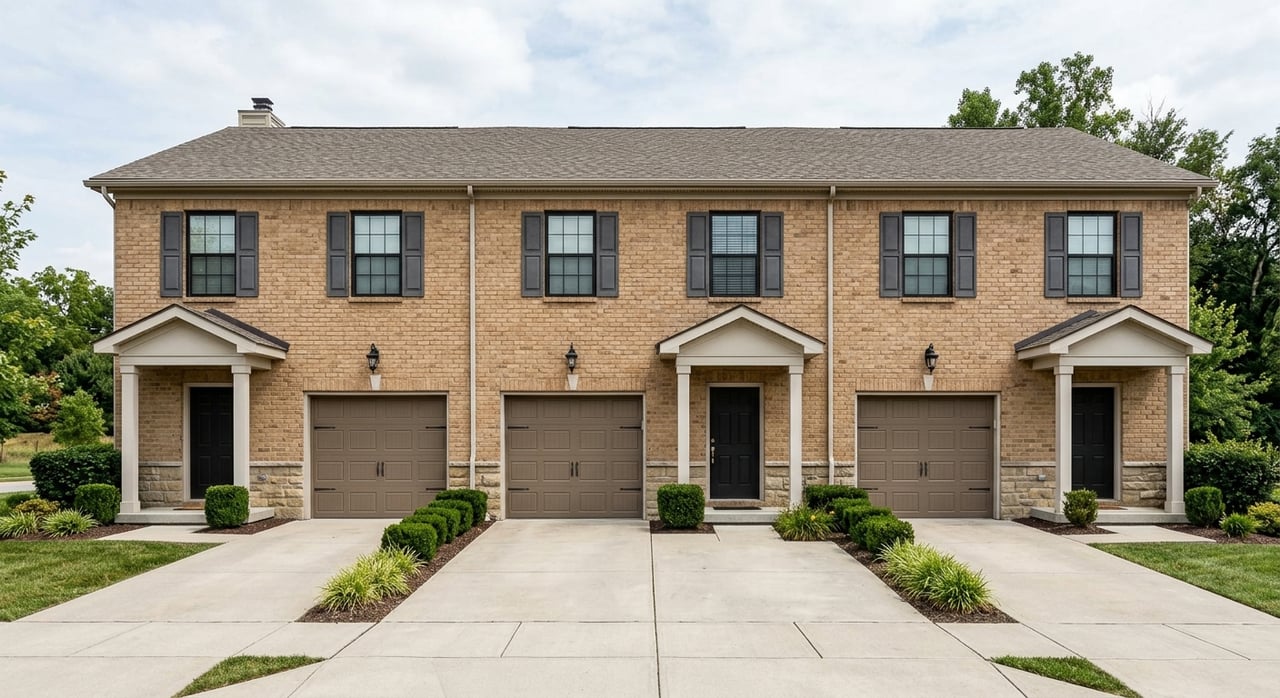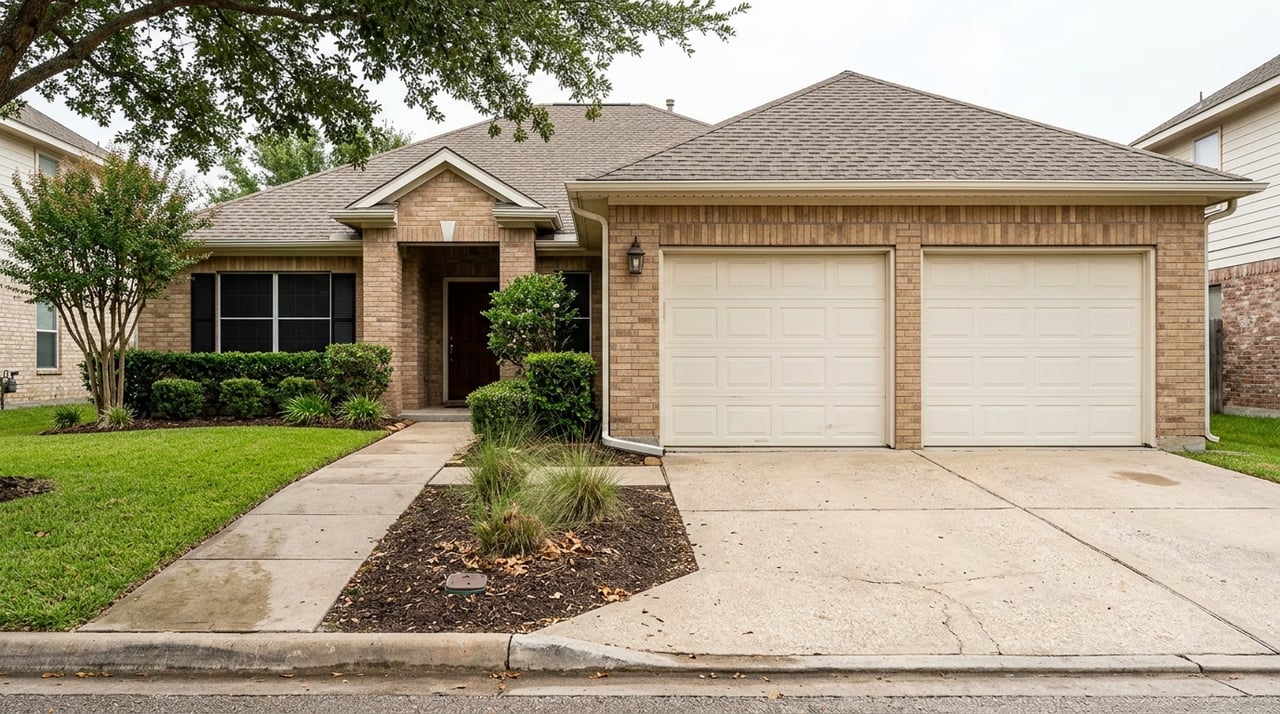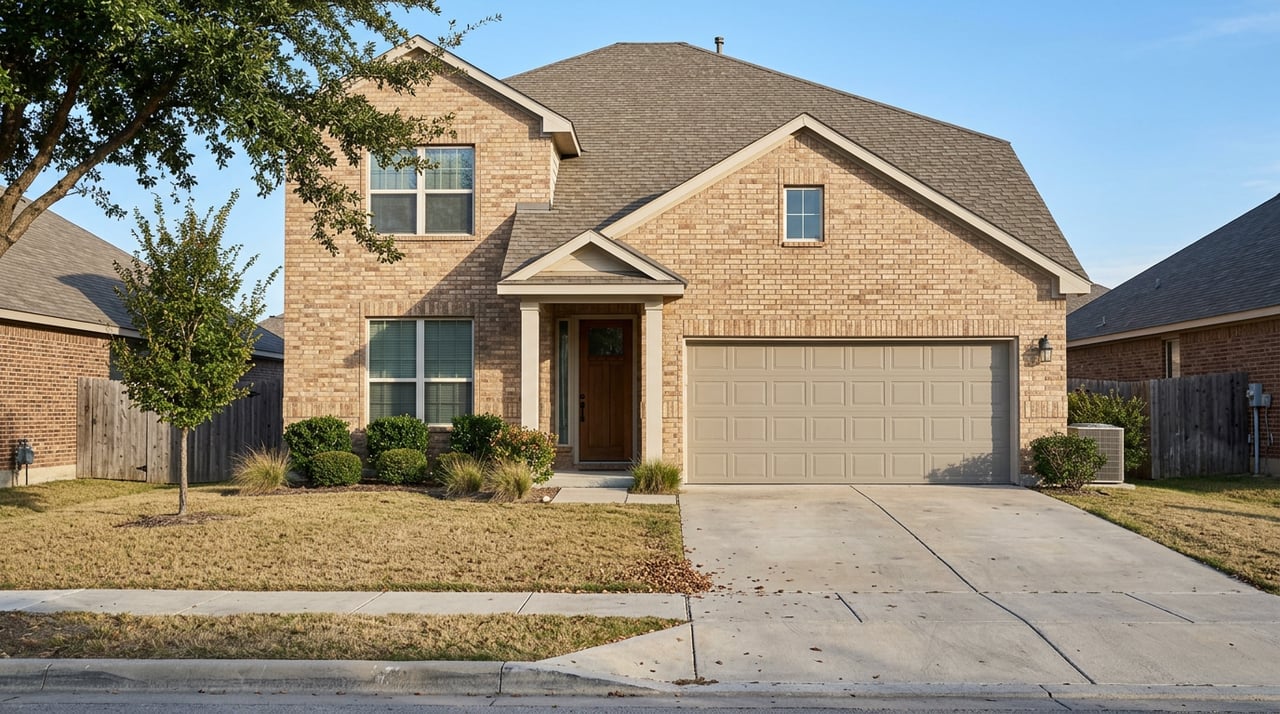
Torn between a brand-new build and a lived-in resale in Leander? You are not alone. With more inventory on the market and varied options across price points, you have real choices to fit your budget and timing. In this guide, you will learn how new construction compares with resale on price, timelines, incentives, taxes, and commute so you can make a confident decision. Let’s dive in.
Leander market snapshot
As of January 2026, Leander’s median sale price is about $410,000, and the typical home value sits near $425,000. Citywide, the median price per square foot is roughly $186. Inventory has climbed from pandemic lows and days on market are longer than the 2020–21 peak, which means you have more homes to compare and a bit more room to negotiate.
New construction often lists at a higher price per square foot than resale. A recent new-build example in 2026 showed around $206 per square foot, which is common given new systems, finishes, and modern layouts. That premium can still pencil out if you value lower near-term maintenance and builder warranties.
New construction in Leander: what to expect
Leander has multiple master-planned communities with active national builders. You will see price bands starting in the low to mid $300,000s for smaller plans, climbing through the $400,000 to $700,000 range for common family layouts, and reaching $1 million-plus in premium pockets. Communities often roll out in phases, which affects pricing, lot availability, and tax districts.
New build advantages
- Factory-new systems and up-to-code construction that can lower early maintenance risk.
- Modern floor plans with open living, larger kitchens, and energy features many buyers want.
- Community amenities like pools, trails, and clubhouses that are common in master-planned neighborhoods.
- Builder-backed warranties. Many Texas builders follow a 1-2-10 structure: 1 year on workmanship, 2 years on systems, and 10 years of structural coverage. You can learn more about how these warranties work from programs like 2-10 Home Buyers Warranty.
New build tradeoffs
- Lot premiums, design center upgrades, and elevation choices can raise the final price.
- Many newer phases include MUDs or PIDs. These district taxes fund infrastructure and sit on top of your city, county, and ISD taxes. Leander City Council materials confirm active use of MUDs in several master plans. Review local context through City of Leander council materials on MUDs.
- HOA rules and fees vary by community. Get documents early to avoid surprises on items like exterior changes or short-term rental restrictions.
New build timelines
- Quick move-in or spec homes can often close within weeks if they are complete or near completion. Builders sometimes run limited-time promotions to clear inventory. See typical incentive structures on M/I Homes’ Greater Austin incentives page.
- To-be-built plans usually take 4 to 12 months depending on scope, permitting, and supply timelines. Expect deadlines for selections and potential change order cutoffs.
Resale homes in Leander: what to expect
Resale provides access to established neighborhoods, often with more mature landscaping and a clearer history of taxes, HOA performance, and past improvements. If you need to move fast, resale can be a practical path.
Resale advantages
- Faster closings. Mortgage-financed resales often close in about 30 to 45 days, which helps if you have a tight move-by date.
- Known property tax history and HOA behavior, which can help you budget accurately.
- Potential negotiation leverage when inventory is healthy and a seller wants to meet the market.
- Unique lots or architectural character that may not exist in newer phases.
Resale tradeoffs
- No automatic builder warranty. Some buyers purchase a home-service contract for appliance and system coverage in year one.
- Systems and roofs may be older. Your inspection window matters and you should plan for near-term repairs or updates.
- Fewer community amenities in some older neighborhoods.
Financing and incentives: comparing apples to apples
Builders often convert list price into net value through incentives. You will see interest rate buydowns, closing cost credits, appliance or design allowances, and price reductions on quick move-ins. These are usually tied to using the builder’s preferred lender and meeting a target closing date. For examples of common promotions, review M/I Homes’ incentives overview.
What matters to you is the monthly payment and total cost over time. A temporary buydown can lower your first-year payment, but the principal remains the same. Ask your lender to model scenarios so you can compare a one-time builder credit versus a long-term rate benefit if you refinance later. Keep in mind that loan program rules limit seller contributions, including buydowns and closing credits.
Ongoing costs: HOA, MUDs, PIDs, and taxes
In newer Leander communities, MUDs or similar districts are common and can be a large part of your annual property tax bill. These districts carry bond debt that funds water, sewer, roads, and parks. District taxes are separate from your city, county, and school taxes. Study local context through Leander’s council materials on district financing and MUDs.
If you buy into an HOA, Texas law requires certain disclosures and a resale certificate package. State reforms, including Senate Bill 1588, capped some fees and set turnaround expectations that affect transaction timing. For a helpful summary of these rules, read Texas National Title’s overview of HOA legislative changes.
How to compare two homes’ monthly cost
Use this quick framework to see the true cost beyond the sticker price:
- Price and loan: purchase price, down payment, loan type, estimated rate, and term.
- Property taxes: apply the current tax rate to the assessed value. For new builds, ask for a projected rate and when full valuation takes effect.
- MUD or PID: get the actual or projected rate and bond timeline from the sales office or seller’s disclosures.
- HOA: note monthly or annual dues and any transfer or activation fees.
- Utilities: confirm provider options and average bills, especially for homes with larger square footage.
- Insurance: factor homeowners and, if applicable, flood insurance.
Commute and daily life: Leander basics
The main driving routes include US 183, the 183A Toll Road, and Ronald Reagan Boulevard. Typical drive time to downtown Austin can range from about 35 to 75 minutes depending on time of day and route choice. A local overview of traffic patterns and routes is available in this Austin commute guide.
For transit, Capital Metro’s Red Line connects Leander Station to downtown Austin. You can review system details on the Red Line overview. The Leander Station park-and-ride offers 600-plus parking spaces according to local sources; check timing and capacity notes in the Leander Chamber’s transportation summary. Your total door-to-door time will depend on train frequency and last-mile connections.
Decision guide: new build vs resale in Leander
Use your timeline, tolerance for maintenance, and monthly budget to guide the choice.
Choose a new build if you:
- Want factory-new systems, modern layouts, and a defined builder warranty. Learn how 1-2-10 coverage typically works at 2-10 Home Buyers Warranty.
- Value master-planned amenities and are comfortable with HOA rules and fees.
- Have schedule flexibility for a to-be-built timeline or you are targeting a discounted quick move-in. You can see common incentive structures on M/I Homes’ incentives page.
Choose a resale if you:
- Need to move within about 2 months. Resales commonly close in 30 to 45 days.
- Prefer an established neighborhood with known property tax history and a lower chance of new MUD or PID exposure.
- Want a particular lot size, street setting, or home style that new phases may not offer.
Smart due diligence checklist for Leander buyers
- Price check by area. Confirm the latest median sale and list prices for your target zip codes or subdivisions. Note the date. As of January 2026, Leander’s median sale price is near $410,000 and the typical value is around $425,000.
- For new builds, request the full contract, warranty documents, any incentive fine print, and the projected MUD or PID rate with a sample tax estimate. See how builder warranties are typically structured on 2-10 Home Buyers Warranty.
- For resales, order the HOA resale certificate package early and ask for the most recent property tax bill and any special assessment history. Review fee caps and timing rules in Texas National Title’s HOA summary.
- Confirm district taxes. For areas with MUDs or similar districts, request the current rate and a bond schedule. Study local context through Leander’s council materials.
- Test your commute. Drive your route at your real departure time, compare 183 versus 183A, and check rail timetables on the CapMetro Red Line. Verify Leander Station parking capacity and timing with the Leander Chamber.
- Inspect thoroughly. For resales, order a full home inspection and consider a sewer scope. For new builds, plan an 11-month warranty inspection to catch workmanship or system issues before coverage milestones. Review timing and claims basics via 2-10’s homeowner resources.
Bottom line
In today’s Leander market, both new construction and resale can be smart buys. New builds deliver warranties, modern layouts, and incentives that can lower upfront costs. Resales offer faster timelines, established neighborhoods, and potential price flexibility. Your best fit comes down to timing, tolerance for maintenance, and your full monthly cost after taxes, MUDs, and HOA fees.
If you want a clear side-by-side comparison tailored to your goals, our team is here to help. We will line up options, model monthly costs, and handle the details so you can focus on the right home. Ready to start? Connect with Bolanos Realty for local, hands-on guidance.
FAQs
What is the main cost difference between new builds and resales in Leander?
- New builds often list at a higher price per square foot due to new systems, finishes, and amenities, while resales may offer negotiation room and known tax history that can improve affordability.
How long does it take to close on a Leander resale home?
- Most financed resale purchases close in about 30 to 45 days, while cash deals can be faster if title work and inspections are straightforward.
Do Leander new construction homes have extra taxes like MUDs or PIDs?
- Many newer communities use MUDs or similar districts that add to your annual property tax bill; request the projected rate and review local context through city materials on district financing.
What builder incentives are common in the Leander area?
- You will see interest rate buydowns, closing cost credits, price reductions on quick move-ins, and allowances for design or appliances, often tied to the builder’s preferred lender and closing windows.
How do new-home warranties work compared to resales?
- Many builders follow a 1-2-10 style program that covers workmanship, systems, and structural items for set periods, while resales do not include builder coverage and may require a separate home-service contract.
What are typical Leander commute options to Austin?
- Drivers use US 183, the 183A Toll Road, and Ronald Reagan Boulevard, with 35 to 75 minute drive times depending on traffic; the CapMetro Red Line also connects Leander Station to downtown for a reliable non-driving option.