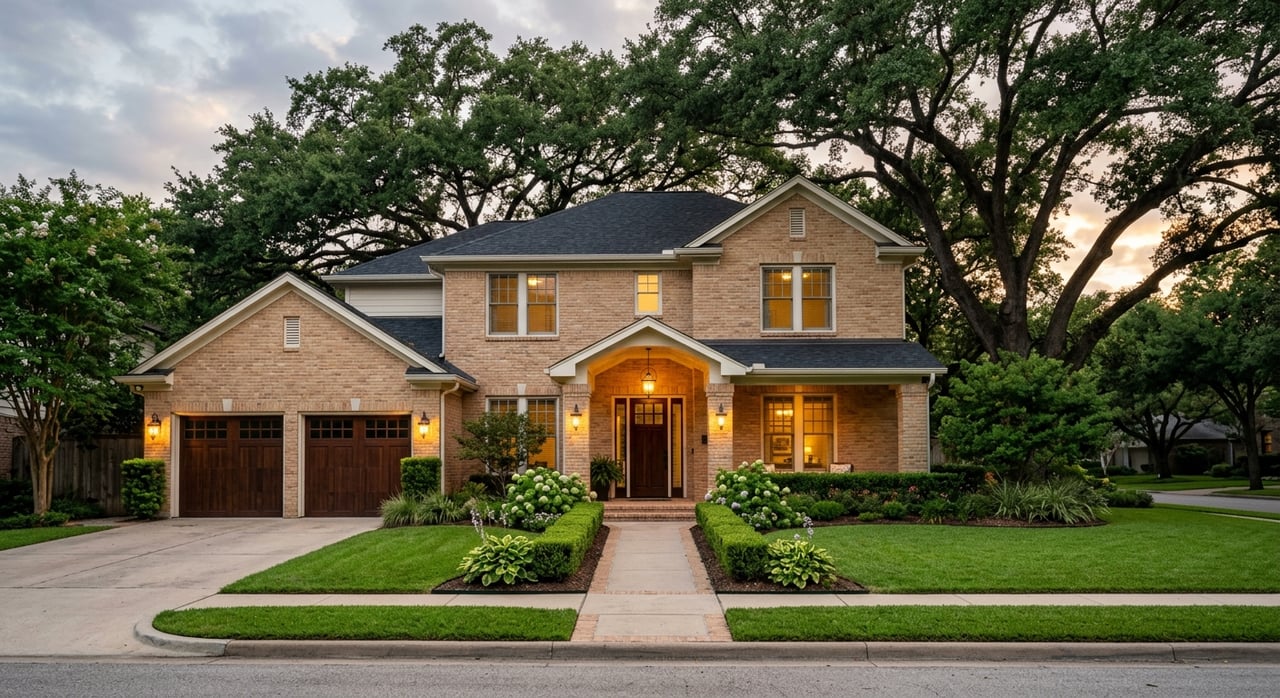
Thinking about cashing out in Austin and moving to the suburbs? You are not alone, but timing two moves at once can feel like trying to hit a moving target. The good news is that with the right plan, you can sell smart, buy with confidence, and avoid costly surprises. Here is how to think through the process in the Austin area so your next step feels organized instead of overwhelming.
Start With Today’s Austin-Area Numbers
If you are selling in Austin and buying in nearby suburbs, it helps to understand that you may be moving between very different price points. In April 2026, the median home price was $573,750 in the City of Austin, compared with $505,000 in Travis County, $412,490 in Williamson County, and $419,990 in Hays County. That means your move may not just change your address. It may also change your budget, your monthly payment, and your negotiating power.
The broader Austin-area market also gives useful context. In April 2026, there were 2,648 sales, 11,592 active listings, 3,411 pending sales, and 4.7 months of inventory, with an average close-to-list ratio of 94.3%. For you, that suggests a market where buyers and sellers should both expect some negotiation instead of assuming every home will sell or close at full price.
Why Selling First Often Makes Sense
For many homeowners, selling first is the cleaner path. It gives you a clearer picture of how much equity you have available for your next down payment, closing costs, and moving expenses. It can also reduce the risk of carrying two housing payments at the same time.
A lender preapproval can help you prepare, but it is not a final commitment. Preapproval letters are often temporary and may expire in 30 to 60 days. Lenders typically review your income, assets, debts, credit, and employment, so it is smart to keep your finances steady while you prepare for both transactions.
That means you should be careful about taking on new debt before buying. Avoid opening new credit cards or making large financed purchases if you plan to apply for a mortgage soon. A stable financial picture can help your next purchase go more smoothly.
Build a Two-Transaction Plan
When you are selling one home and buying another, your best tool is a clear timeline. You need to know when your current home can realistically hit the market, how fast it may attract an offer, and how that timing affects your purchase search in the suburbs. This is especially important when inventory, pricing, and negotiation conditions vary across Austin, Travis County, Williamson County, and Hays County.
A simple move plan often includes these steps:
- Estimate your current home’s likely sale price.
- Review your mortgage payoff and expected net proceeds.
- Get preapproved before shopping seriously.
- Set a target budget for the suburban purchase.
- Compare payment, taxes, and HOA costs together.
- Decide whether you need a contingency or temporary housing plan.
- Line up your sale and purchase timelines as closely as possible.
Know the Texas Contract Rules That Matter
Texas contracts have their own structure, and that matters when you are coordinating a sale and a purchase. In Texas, there is no automatic three-day or 72-hour cooling-off period after a seller accepts an offer. Any termination rights must come from the contract itself.
TREC also notes that in the standard resale contract, days are counted as calendar days, starting the day after the effective date. That makes dates and deadlines especially important. If you miss one, your options may narrow quickly.
Use a Sale Contingency When Needed
If you cannot close on your next home until your current Austin home sells and closes, Texas has a standard tool for that. The TREC Addendum for Sale of Other Property by Buyer makes the new purchase contingent on your current property selling. If that contingency is not met by the deadline in the contract, the contract terminates and earnest money is refunded.
This can reduce risk when you need your sale proceeds to make the next move possible. It does not fit every deal, but it can be useful when you want to avoid overextending yourself. In a market with active listings and room for negotiation, this kind of planning can be especially valuable.
Consider a Backup Position
Sometimes the home you want in the suburbs already has a contract on it. In that case, a backup contract may be worth discussing. Texas provides a standard Addendum for Back-Up Contract that makes your contract contingent on the first contract ending.
This can be a practical option if you want to stay in the running without restarting your search from scratch. It is one more example of why local contract strategy matters when your sale and purchase need to work together.
Understand the Option Period
In Texas, the option period is negotiable, not automatic. If you pay the option fee, you get the unrestricted right to terminate during that period for any reason. Buyers often use this time to inspect the property and negotiate repairs.
TREC also states that the earnest money and option fee are due within three days after the effective date in the standard form. If the option fee is not delivered on time, you can lose that unrestricted termination right. When you are juggling two transactions, small deadline details like this matter a lot.
Plan for Closing Dates That Do Not Match
One of the biggest stress points in a sell-and-buy move is when the dates do not line up. Your Austin home may close before your suburban purchase is ready, or your next home may be available before your sale closes. Either way, you need a bridge plan.
Texas has standard temporary lease forms for this situation. A Seller’s Temporary Residential Lease allows a seller to remain in the home for up to 90 days after closing. A Buyer’s Temporary Residential Lease allows a buyer to occupy a home for up to 90 days before closing.
These forms can help create short-term flexibility when moving dates are off by days or weeks. They are not a cure-all, but they can help reduce the pressure to rush a decision.
Think Carefully About Temporary Housing Costs
If you cannot line up both closings, temporary housing may be part of the equation. That cost should be built into your planning from the start, not treated as an afterthought. Even a short gap can affect your budget.
In April 2026, median rents were $2,150 in the City of Austin, $2,159 in Travis County, $2,095 in Williamson County, and $1,971 in Hays County. If you expect to rent short term while shopping or waiting to close, those numbers can help you estimate your carrying costs.
Bridge Financing Is a Lender Question
Some buyers ask about bridge financing when they want to buy before their current home sells. CFPB describes bridge or swing loans as temporary financing, generally with terms of 12 months or less, for borrowers who plan to sell their current home within that time. Because this is specialized financing, it should be treated as a lender conversation rather than a default solution.
For many homeowners, a bridge loan may or may not be the best fit. The right answer depends on your equity, cash reserves, timing, and loan terms. If you are exploring this route, compare the costs and risks carefully with your lender.
Compare More Than Just List Price
When you move from Austin to the suburbs, it is easy to focus on purchase price alone. But the smarter comparison is your full monthly cost. A lower list price does not always mean a lower overall payment.
Be sure to compare:
- Principal and interest payment
- Local property taxes
- Homeowners insurance
- Any mandatory HOA or POA costs
- Commute-related costs if your location changes
Texas property taxes are locally assessed and administered, which makes local comparisons important. If the suburban property will be your main home, you should also remember that you cannot claim a homestead exemption on another residence homestead at the same time.
Do Not Miss Homestead Details
If you buy a new primary residence, homestead rules matter. The Texas Comptroller says homestead exemption applications are filed with the county appraisal district, and the general deadline is usually before May 1. Travis County also states that the general homestead exemption application is free.
The Comptroller also notes that if you acquire a property after January 1, it may qualify for the exemption for the rest of that year if the prior owner did not already claim it. Because tax treatment affects your monthly ownership cost, this is one of those details worth checking early.
Review Disclosures and HOA Documents
As you shop in the suburbs, do not let excitement outrun your due diligence. Texas requires a Seller’s Disclosure Notice for previously occupied single-family residences. If the home has mandatory HOA or POA membership, there is also a separate TREC addendum tied to that issue.
This is important because suburban moves often involve planned communities or neighborhoods with mandatory association membership. Before you commit, make sure you understand the rules, fees, and how they fit into your total monthly cost.
Stay Close to Your Lender Before Closing
Once you are under contract, your work is not done. Closing is the final step of the mortgage process, and staying in close contact with your lender can help you avoid delays. CFPB also recommends comparing official Loan Estimates from multiple lenders.
If you are managing both a sale and a purchase, communication becomes even more important. A small underwriting delay on one side can affect the timeline on the other. Clear coordination helps keep both closings on track.
A Smart Austin-to-Suburb Strategy
The best Austin-to-suburb move is usually not about speed alone. It is about sequencing the steps in a way that protects your money, your timing, and your peace of mind. In this market, where negotiation is common and prices can shift meaningfully by county, a thoughtful plan can make a big difference.
If you are preparing to sell in Austin and buy in places like Round Rock, Leander, Georgetown, or other nearby suburbs, having local guidance can help you price your current home well, understand your net proceeds, and build a realistic purchase strategy. When both sides of the move are connected, your next chapter gets a lot easier.
If you are ready to map out your sale, your purchase, and the timing between them, Bolanos Realty is here to help you build a practical plan with local insight.
FAQs
How does selling in Austin and buying in the suburbs affect my budget?
- In April 2026, the median price was $573,750 in the City of Austin, compared with $412,490 in Williamson County and $419,990 in Hays County, so your move may shift both your price range and your monthly cost structure.
What is a Texas sale contingency when buying another home?
- The TREC Addendum for Sale of Other Property by Buyer lets your purchase depend on your current home selling and closing, and if that does not happen by the deadline, the contract terminates and earnest money is refunded.
What should I know about the Texas option period when buying in the suburbs?
- The option period is negotiable, gives you the unrestricted right to terminate during that period if the option fee is paid on time, and is commonly used for inspections and repair negotiations.
What happens if my Austin home sale and suburban purchase do not close on the same day?
- Texas provides temporary residential lease forms that can allow a seller to stay in the home up to 90 days after closing or allow a buyer to occupy a home up to 90 days before closing, depending on the situation.
How do property taxes and homestead rules work when moving to a new Texas home?
- Property taxes are locally assessed, homestead applications are filed with the county appraisal district, the general deadline is usually before May 1, and you cannot claim a homestead exemption on another residence homestead at the same time.