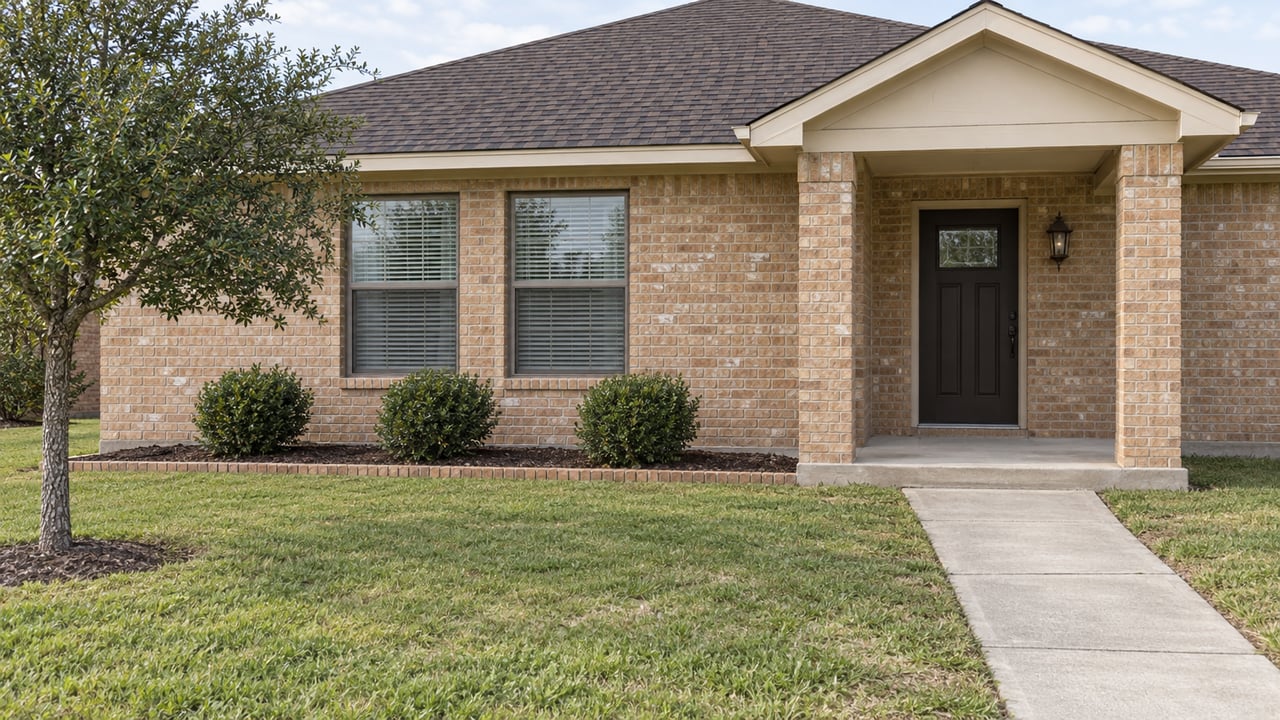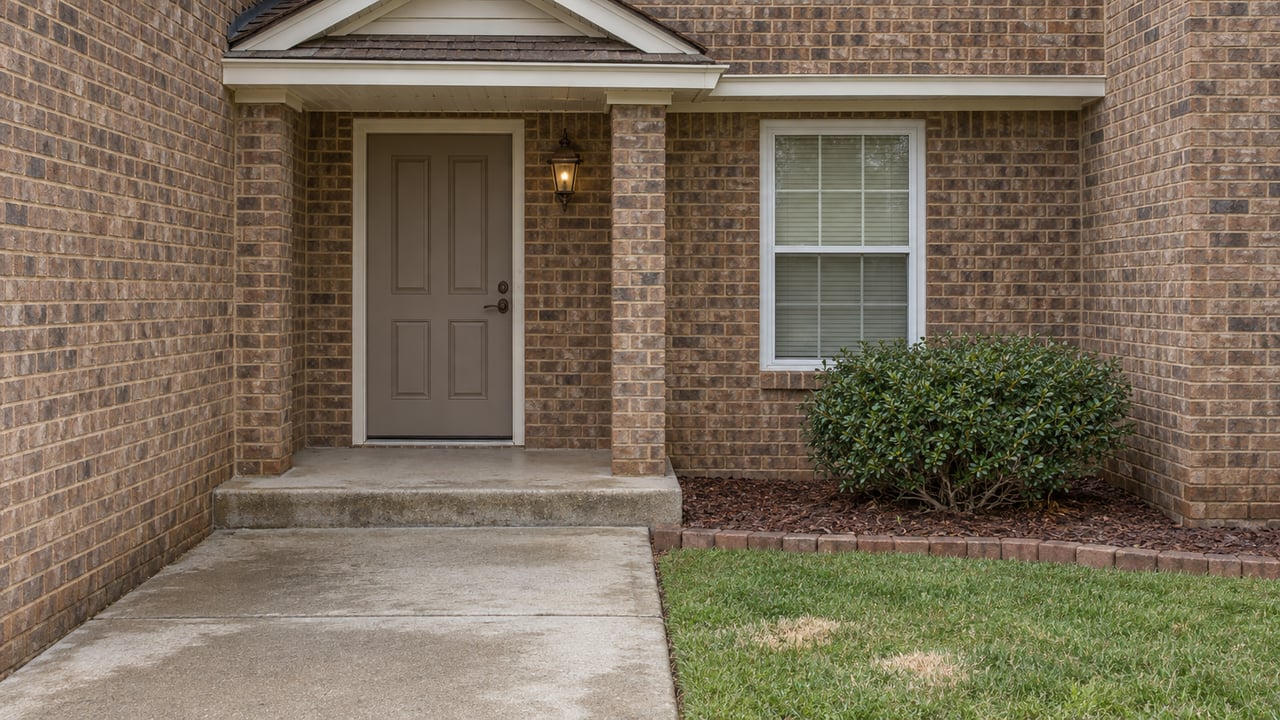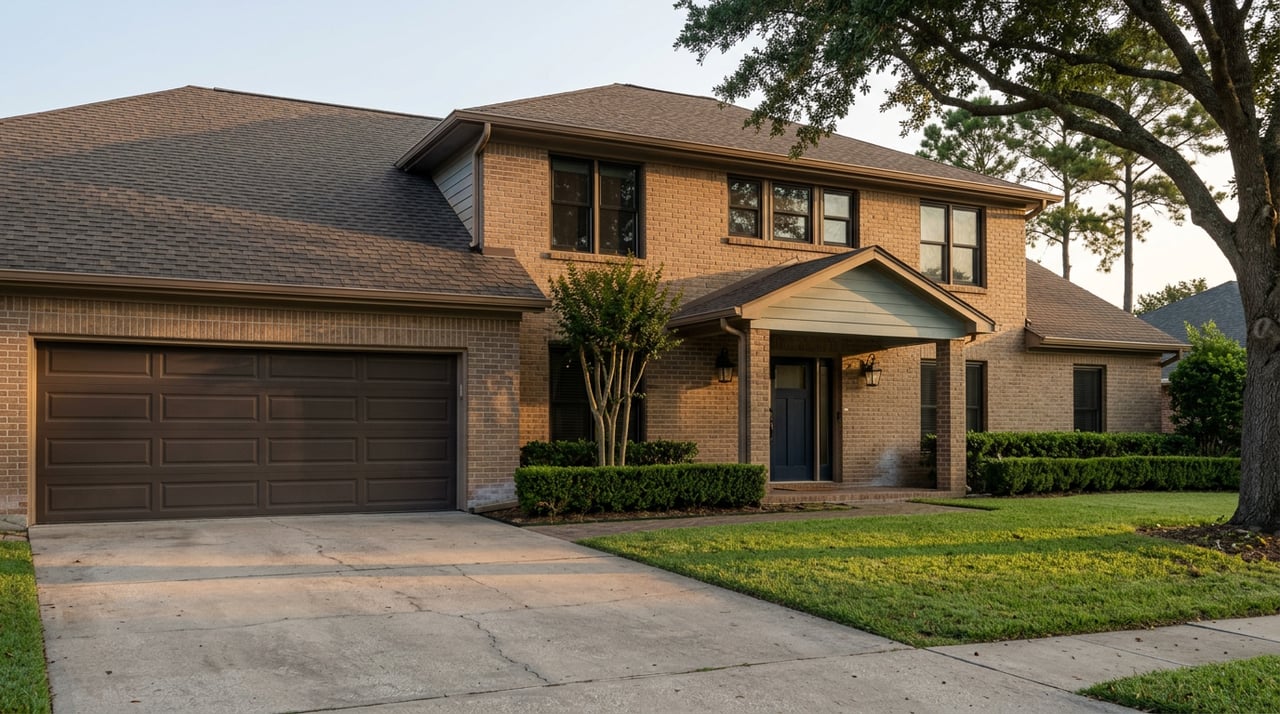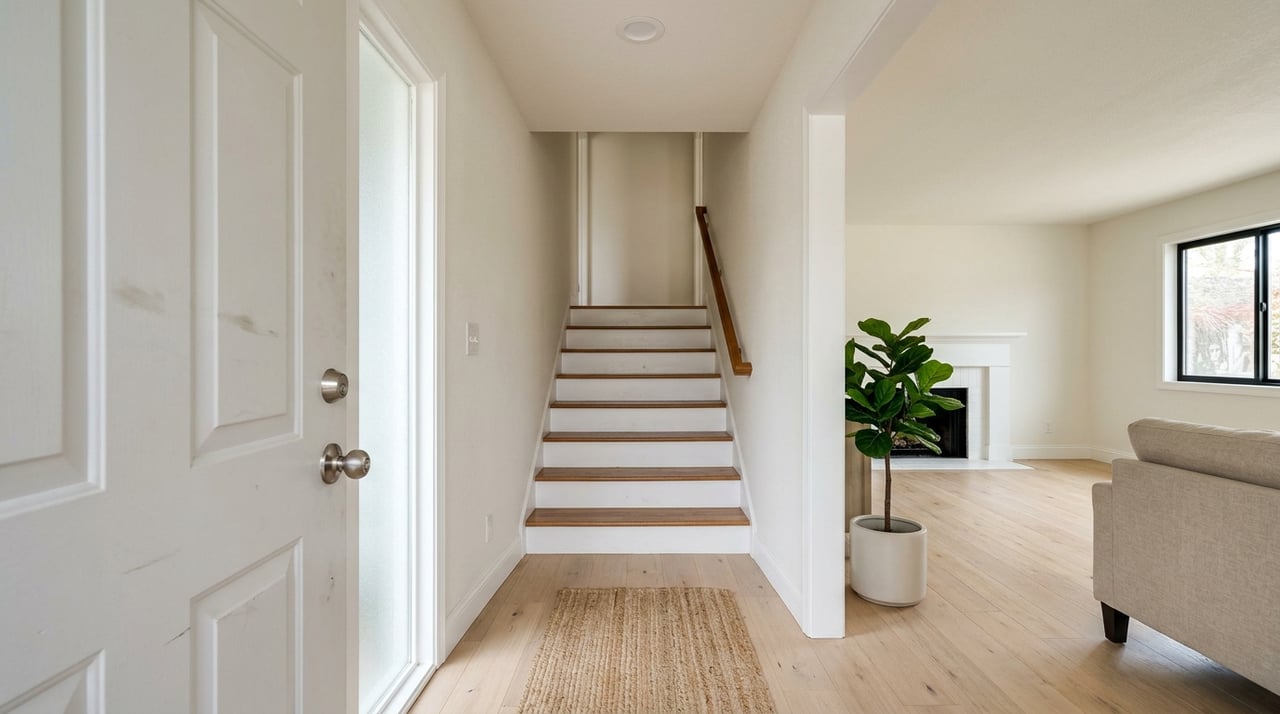
Trying to decide whether to sell or rent out your Houston home? You are not alone, and the answer is rarely as simple as picking whichever option sounds more profitable. In Houston’s current market, the right move usually depends on your equity, your monthly carrying costs, your tax situation, and how much responsibility you want to take on. This guide will help you weigh the numbers and the practical tradeoffs so you can make a confident next step. Let’s dive in.
Houston Market Snapshot
If you are making this decision in Houston, it helps to start with the bigger picture. According to Redfin’s Houston housing market data, the median sale price was $342,250 in February 2026, homes sold in about 74 days, and the average sale-to-list ratio was 96.4%.
On the rental side, Zillow’s Houston rental market trends showed an average rent of $1,859 as of March 28, 2026, and described the market as cool. Using those citywide figures, the rough gross annual rent yield comes out to about 6.5% before expenses.
That matters because citywide numbers do not automatically point to a clear winner. A 74-day selling timeline may require patience and realistic pricing, while a 6.5% gross yield can shrink quickly once you factor in taxes, repairs, insurance, vacancy, and possible management costs.
When Selling May Make More Sense
For many homeowners, selling is the cleaner and simpler choice. If you need to unlock your equity for a down payment, a move, or other financial goals, selling gives you a clearer picture of what you can walk away with.
Selling also removes the day-to-day burden of being a landlord. You do not have to handle repairs, leasing, tenant communication, or ongoing property oversight.
From a tax perspective, selling may also be more favorable if you still qualify for the federal home-sale exclusion. Under IRS Publication 523, eligible homeowners may be able to exclude up to $250,000 of gain if filing single or $500,000 if married filing jointly.
Signs selling may fit your goals
Selling may be the better path if you:
- want to access equity now
- do not want landlord responsibilities
- expect the home to produce weak rental cash flow after expenses
- want to avoid added complexity tied to future depreciation recapture or rental-use tax rules
If your priority is simplicity, liquidity, and a cleaner financial exit, selling often has the edge.
When Renting May Make More Sense
Renting can be attractive if you want to keep the property long term and are comfortable with the costs and responsibilities that come with it. This option may appeal to you if you believe in the home’s future value or want to hold the asset instead of selling now.
Rental income can help offset your monthly costs, but gross rent is only the starting point. As the IRS explains in Publication 527, rental income generally must be reported, while ordinary rental expenses like maintenance, taxes, insurance, and mortgage interest can usually be deducted.
There is also depreciation to consider. Residential rental property is generally depreciated over 27.5 years, which can create tax deductions even if your cash flow is only modest.
Signs renting may fit your goals
Renting may make more sense if you:
- can comfortably cover mortgage, taxes, insurance, repairs, and possible management fees
- want to keep the home for future appreciation
- are comfortable following landlord rules and handling tenant-related issues
- expect rent strong enough to justify losing your homestead benefit
In Houston, this path tends to work better when the property has above-average rental potential or below-average carrying costs.
Why Houston Owners Need Property-Level Math
This is where many homeowners get stuck. A citywide average can be useful for context, but it cannot tell you whether your home should be sold or rented.
Houston’s current numbers suggest that many owners will need one of three things for renting to outperform selling: higher-than-average rent, lower-than-average costs, or strong confidence in long-term appreciation. That is because a gross yield of roughly 6.5% is only a broad benchmark before normal landlord expenses are subtracted.
A smarter approach is to compare your real options side by side. In most cases, the decision becomes much clearer once you run a realistic scenario.
The Numbers To Compare
Before you decide, build a simple sell-versus-rent model using your property details. The most useful comparison includes these five categories.
Net sale proceeds
Start with what you would actually walk away with if you sold. That usually means estimating the sales price, paying off your mortgage balance, and subtracting your selling costs.
This number matters because it shows how much equity you could redeploy right away. If that cash would help you buy another home, reduce debt, or improve your financial flexibility, selling may have a stronger case.
Expected annual rent
Next, estimate what your home could realistically rent for in today’s market. The Houston average rent is helpful as a benchmark, but your actual rent depends on the property’s size, condition, location, and competition.
Be careful not to overestimate. In a cooler rental market, pricing too high can increase vacancy and reduce total return.
Property taxes after homestead loss
This is a major factor in Texas. According to the Texas Comptroller’s homestead exemption guidance, a home must be your principal residence to qualify for the residence homestead exemption.
If you move out and convert the property to a rental, you may lose that benefit. For 2026, school districts must provide a $140,000 residence homestead exemption, and qualifying homeowners age 65 or older or disabled may receive an additional $60,000 school-tax exemption. Losing homestead status can materially raise your carrying costs.
Ongoing landlord costs
This is where many rental plans look better on paper than in reality. Be sure to account for:
- vacancy periods
- routine maintenance and repairs
- insurance changes
- property taxes
- leasing or management costs if you want support
Once you subtract these from gross rent, your true return may look very different.
Federal tax impact
Taxes can change the outcome more than many owners expect. If you convert your home to a rental, the future sale can become more complicated.
Under IRS Publication 523, depreciation allowed or allowable after May 6, 1997 generally must be recaptured and reported as taxable income when the property is sold. That means renting first and selling later can create tax consequences that do not apply in the same way if you sell while the home still qualifies as your main residence.
Landlord Responsibilities In Texas
If you are leaning toward renting, make sure you are also thinking beyond the spreadsheet. Being a landlord involves legal and operational duties, not just collecting rent.
Under Texas Property Code Chapter 92, a landlord generally must return a security deposit on or before the 30th day after the tenant surrenders the property, unless the tenant has not provided the required forwarding address. If deductions are taken, the landlord must provide an itemized list, and normal wear and tear cannot be charged as damage.
Texas law also requires landlords to make a diligent effort to repair certain conditions that materially affect health or safety after proper notice. So even if the rental math works, you still need to be prepared for compliance, maintenance, and tenant communication.
What about short-term rentals?
Some owners consider short-term rentals as a way to increase income. In Houston, that route is now more compliance-heavy than a traditional lease.
According to the City of Houston short-term rental rules, hosts had to register before January 1, 2026, and platforms are scheduled to begin delisting non-registered listings on January 1, 2027. If you are comparing long-term renting with short-term renting, make sure you understand the added registration and operational requirements.
A Practical Decision Framework
If you are still unsure, use this simple framework to guide your choice.
Choose selling if you value simplicity
Selling often makes more sense when you want a cleaner transition. It can be the better choice if you need cash, want to avoid landlord duties, or do not expect strong rental performance after all costs are included.
It may also be the smarter route if you want to preserve the simplicity of the main-home tax treatment while you still qualify.
Choose renting if you value flexibility
Renting may be worth a closer look if you can carry the property comfortably and want to hold it for future appreciation. It can also work if your home is likely to command stronger rent than the city average or if your fixed costs are relatively low.
Just remember that flexibility comes with responsibility. A rental can preserve long-term options, but it usually requires more active oversight and more detailed planning.
Bottom Line For Houston Homeowners
In Houston’s current market, there is no one-size-fits-all answer. Selling may be the better move if you want liquidity, simplicity, and a cleaner tax picture, while renting may make sense if the property can carry itself and supports your long-term goals.
The key is to compare after-expense, after-tax rental performance against your likely net sale proceeds, not just rely on broad market averages. If you want help thinking through your Houston options, the team at Bolanos Realty can help you evaluate your numbers, your timeline, and the strategy that fits your next move.
FAQs
Should I sell or rent my Houston home in a slower market?
- In a slower market, the decision usually comes down to your property’s actual numbers, including expected sale proceeds, realistic rent, carrying costs, and tax impact.
How much is the average rent in Houston right now?
- Zillow’s Houston rental market trends reported an average rent of $1,859 as of March 28, 2026.
What is the median home price in Houston right now?
- Redfin’s Houston market data reported a median sale price of $342,250 in February 2026.
Does renting out my Texas home affect my homestead exemption?
- Yes. If the home is no longer your principal residence, you may lose the Texas residence homestead exemption, which can increase your property tax carrying costs.
Do Houston homeowners pay Texas state income tax on rental income?
- Texas does not have a state personal income tax, according to the Texas Comptroller, but federal tax rules and local property taxes still matter.
What should Houston homeowners compare before deciding to sell or rent?
- You should compare net sale proceeds, expected rent, property taxes after homestead loss, vacancy and repair costs, insurance, management expenses, and federal tax consequences.