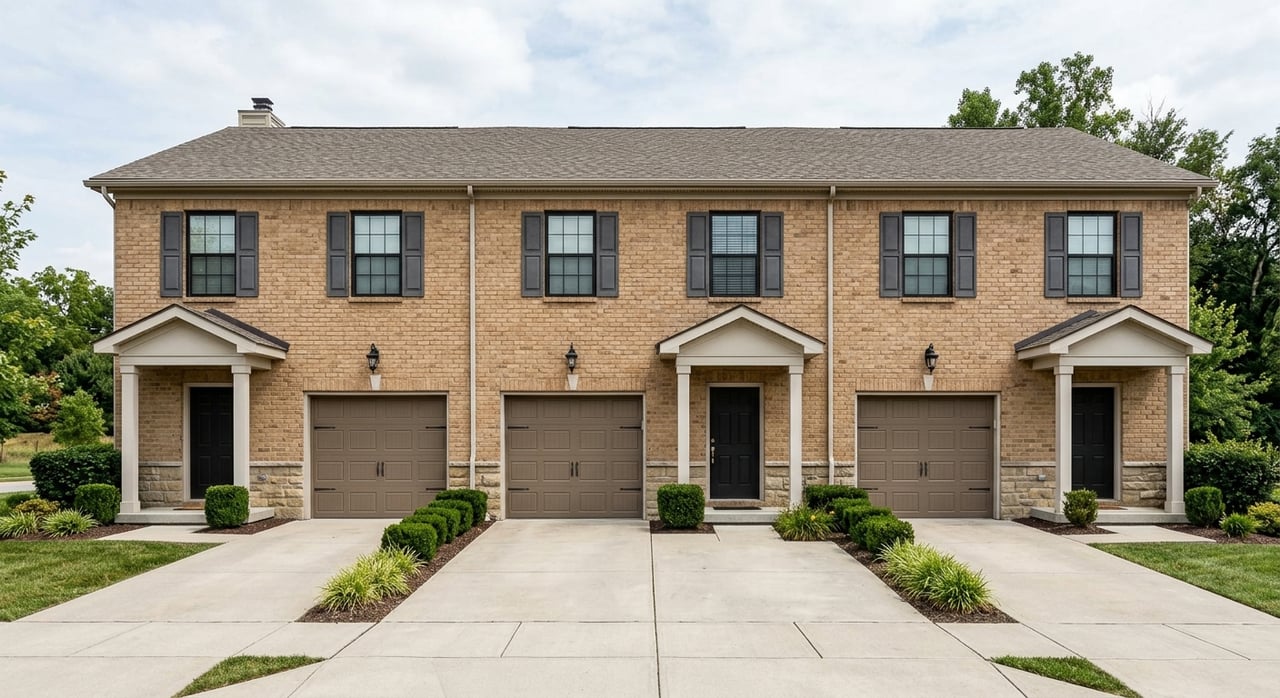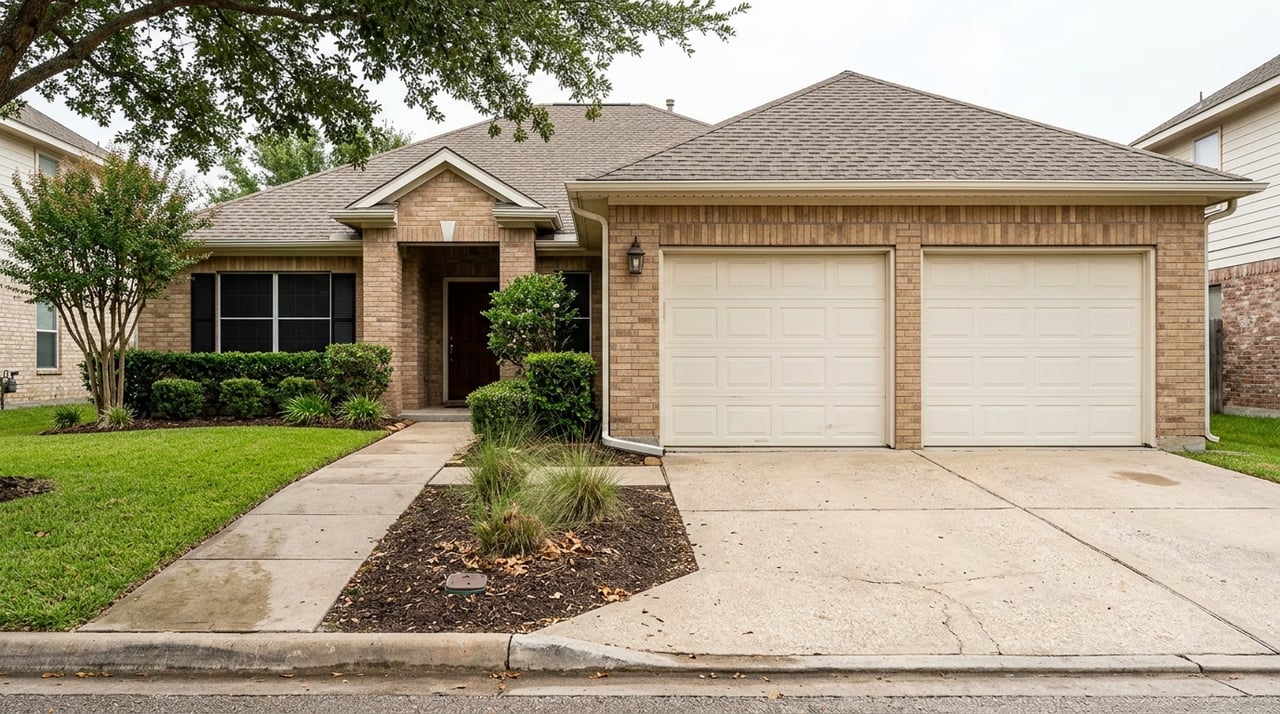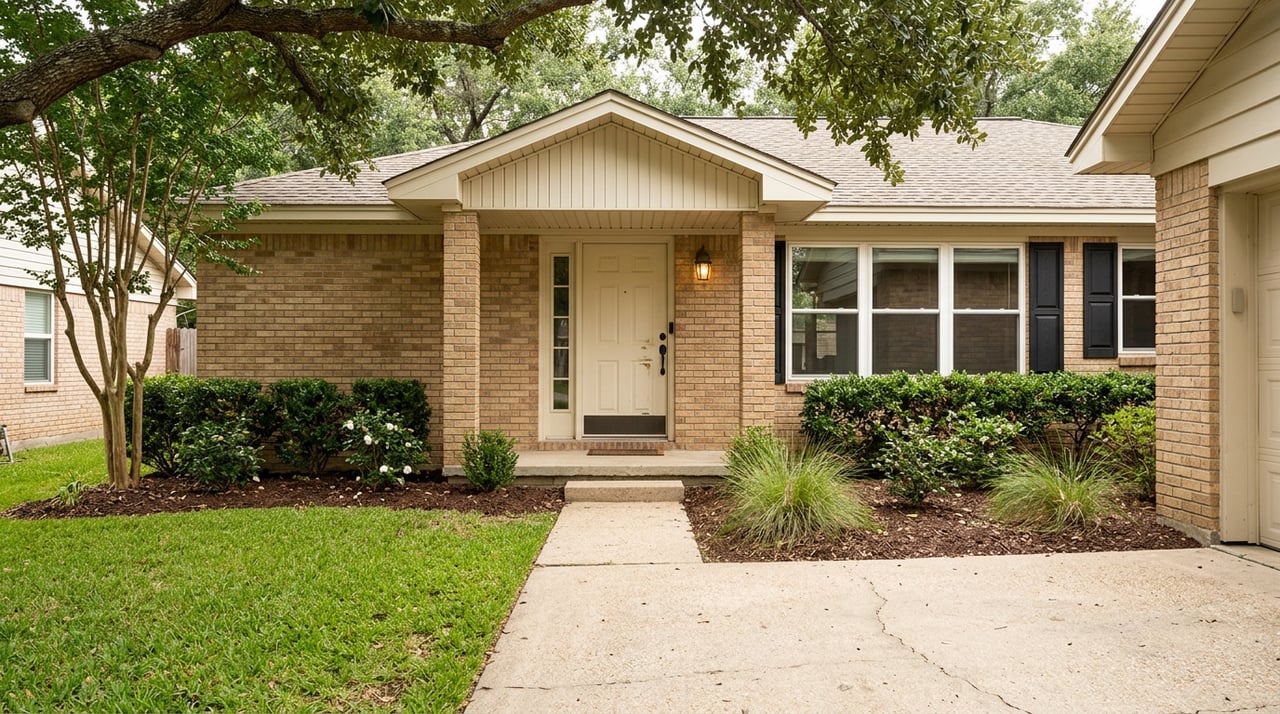
Thinking about selling a rental home in Tomball while a tenant still lives there? You are not alone, and the process can feel tricky fast. You want to protect your timeline, respect your tenant’s rights, and still give buyers a fair chance to see the property. The good news is that with the right plan, you can move forward clearly and confidently. Let’s dive in.
Know the Texas lease rules first
In Texas, selling a home does not automatically end a residential lease. In most cases, the buyer takes the property subject to the existing lease, and the lease terms stay in place until the lease ends unless the written lease says something different.
That matters because you cannot assume a tenant has to move out early just because you are listing the home. You also cannot change rent, add new rules, or rewrite the occupancy terms during the lease term unless the tenant agrees in writing or the lease already allows it.
If the tenant is on a month-to-month lease, the rules are different. Under Texas law, either party may end a month-to-month tenancy by giving notice, and for rent periods of at least one month, the tenancy ends on the later of the date stated in the notice or one month after notice is given, unless the parties agreed to a different notice period in writing.
For any lease that is not month-to-month, the written lease controls the end date and notice terms. That is why your first step should always be reviewing the lease before you decide how to price, market, and schedule the sale.
Start with the lease review
Before you order photos or put the home on the market, review the lease line by line. Focus on the lease end date, renewal terms, entry rights, showing language, and any notice requirements tied to landlord access.
In Texas, there is no single statewide rule that gives landlords a universal right to enter with a set notice period. The lease is usually the main source of authority, and if it is silent or does not authorize entry, you may not have the right to enter without permission except in limited situations such as emergencies or repairs.
This is one reason tenant-occupied sales often need more planning than vacant listings. A strong review at the front end can save you from delays, misunderstandings, and avoidable conflict later.
Plan your Tomball sale timeline carefully
Tomball sits in a fast-growing part of northwest Harris County, and the local resale market appears active without being extreme. Recent market snapshots show hundreds of homes for sale, with reported median sale prices in the mid-$300,000s to around $390,000, and time-to-pending or sold timelines ranging from about a month to roughly two months depending on the source.
For you, that means a tenant-occupied listing may need a longer runway. Even in a healthy market, occupied homes often take extra coordination for notice, cleaning, photography, and buyer access.
If your tenant’s lease expires soon, it may make sense to compare two paths. You can list while occupied and work within the lease, or you can wait and market the home vacant if timing and lease terms allow.
Talk to your tenant early and in writing
One of the smartest moves you can make is to communicate early. Let your tenant know that you plan to sell, what the process may look like, and how you will handle showings.
Written communication helps set expectations and creates a record of what was discussed. It should match the lease and explain practical details like who will schedule access, how much notice you plan to give, whether the tenant may be present, and the days and times you hope to use for showings.
Even when the lease allows entry, a respectful and predictable process usually works better than surprise visits. TexasLawHelp notes that tenants can ask in writing for advance notice, such as 24 hours, and can ask to be home when the landlord enters.
Handle showings with privacy in mind
Showing an occupied home requires balance. Buyers need a real chance to view the property, but tenants still have privacy rights and a right to peaceful use of the home.
Common Texas lease forms may allow entry for showings to prospective buyers, but the actual lease language controls. If the lease does not clearly address access, or if the tenant objects, you should move carefully and avoid assuming you can enter whenever you want.
TexasLawHelp also warns that repeated entry under a pretext can violate the lease and the tenant’s privacy rights. In practice, that means your showing plan should be reasonable, consistent, and limited to legitimate sale activity.
A licensed real estate agent can help manage this process professionally. The Texas Real Estate Commission describes showing property as allowing it to be viewed, providing access, and hosting an open house, which makes organized scheduling especially important when the home is occupied.
Set showing expectations that work
A clear showing plan can reduce tension and improve cooperation. While every lease and property is different, these steps often make the process smoother:
- Review the lease before scheduling access
- Give notice in the way the lease requires
- Use consistent showing windows when possible
- Keep visits at reasonable times
- Limit unnecessary repeat access
- Confirm who will unlock and supervise entry
- Document communications in writing
Consistency matters for another reason too. Access and marketing decisions should be applied fairly and without discrimination.
Decide whether to sell occupied or vacant
This is often the biggest strategic decision. The right answer depends on the lease, your timeline, the tenant’s cooperation, and what kind of buyer you want to attract.
If you sell the home occupied, you may appeal to investors who value an existing tenant in place. You may also be able to avoid vacancy costs while the property is on the market.
If you sell the home vacant, it may be easier to photograph, show, clean, and prepare for a wider pool of owner-occupant buyers. But you cannot force that outcome unless the lease allows it, the tenant agrees in writing, or the tenancy ends according to the lease and Texas law.
Here is a simple comparison:
| Option | Potential Benefits | Key Challenges |
|---|---|---|
| Sell occupied | Rental income may continue, may interest investors | Showing coordination, tenant privacy, limited flexibility |
| Sell after move-out | Easier staging, photos, repairs, and access | Possible vacancy costs, timing may depend on lease end |
Understand security deposit responsibilities
Security deposits are easy to overlook during a sale, but they matter. Under Texas Property Code Section 92.105, when ownership changes by sale, the new owner becomes responsible for the tenant’s security deposit from the date title is acquired and must give the tenant a signed statement acknowledging that responsibility and the amount of the deposit.
The prior owner may remain liable until the deposit is transferred or liability is assumed, unless a written contract says otherwise. This is an important detail to address before closing so there is no confusion between seller, buyer, and tenant.
If the tenant moves out before closing or before the lease ends, deposit accounting still follows Texas rules. The forwarding address and the surrender of possession both matter in that process.
Avoid common seller mistakes
Tenant-occupied sales can go sideways when sellers move too fast or make assumptions. A few common mistakes can create legal and logistical problems.
Watch out for these issues:
- Assuming the sale automatically cancels the lease
- Promising vacant possession without checking the lease
- Changing rules or rent without a signed agreement
- Entering without authority under the lease
- Scheduling excessive or poorly timed showings
- Forgetting to address the security deposit transfer
- Waiting too long to involve professionals when conflict appears
When the lease is unclear, the tenant resists access, or you want to deliver the home vacant, early help can make a big difference. The State Law Library and TexasLawHelp both emphasize how lease-dependent these situations can be.
Build a practical sale strategy
If you want the sale to move smoothly, think of it as a coordination project, not just a listing. Your pricing, showing plan, lease review, and buyer targeting should all work together.
In Tomball, where the market is active but not instant, preparation can help you avoid lost momentum. A tenant-occupied home may still sell well, but buyers and their agents will notice whether access is easy, communication is clear, and expectations are managed from the start.
That is where a local, organized approach helps. With the right guidance, you can market the home professionally, protect your timeline, and reduce friction for everyone involved.
If you are getting ready to sell a tenant-occupied home in Tomball, Bolanos Realty can help you build a practical plan for pricing, timing, marketing, and coordination from start to finish.
FAQs
What happens to a tenant’s lease when you sell a home in Tomball, Texas?
- In Texas, a sale usually does not cancel an existing residential lease, so the new owner generally takes the property subject to the current lease unless the lease says otherwise.
Can you show a tenant-occupied home in Tomball without notice?
- Not necessarily. Texas does not set a universal statewide notice rule for landlord entry, so the lease usually controls whether entry for showings is allowed and how notice must be given.
Can a Tomball seller require a tenant to move out before closing?
- Only if the lease allows it, the tenant agrees in a signed written agreement, or the tenancy ends according to the lease and Texas law.
How much notice is required to end a month-to-month tenancy in Texas?
- For a month-to-month tenancy with a rent-paying period of at least one month, the tenancy ends on the later of the date stated in the notice or one month after notice is given, unless a different written notice period applies.
Who is responsible for the security deposit after a Texas rental property sells?
- After title transfers, the new owner becomes responsible for the tenant’s security deposit and must give the tenant a signed statement acknowledging responsibility and the deposit amount.
Why can selling a tenant-occupied home in Tomball take longer than selling a vacant home?
- Occupied listings often need more time for lease review, tenant communication, notice, cleaning, photography, and showing coordination, even in an active local market.