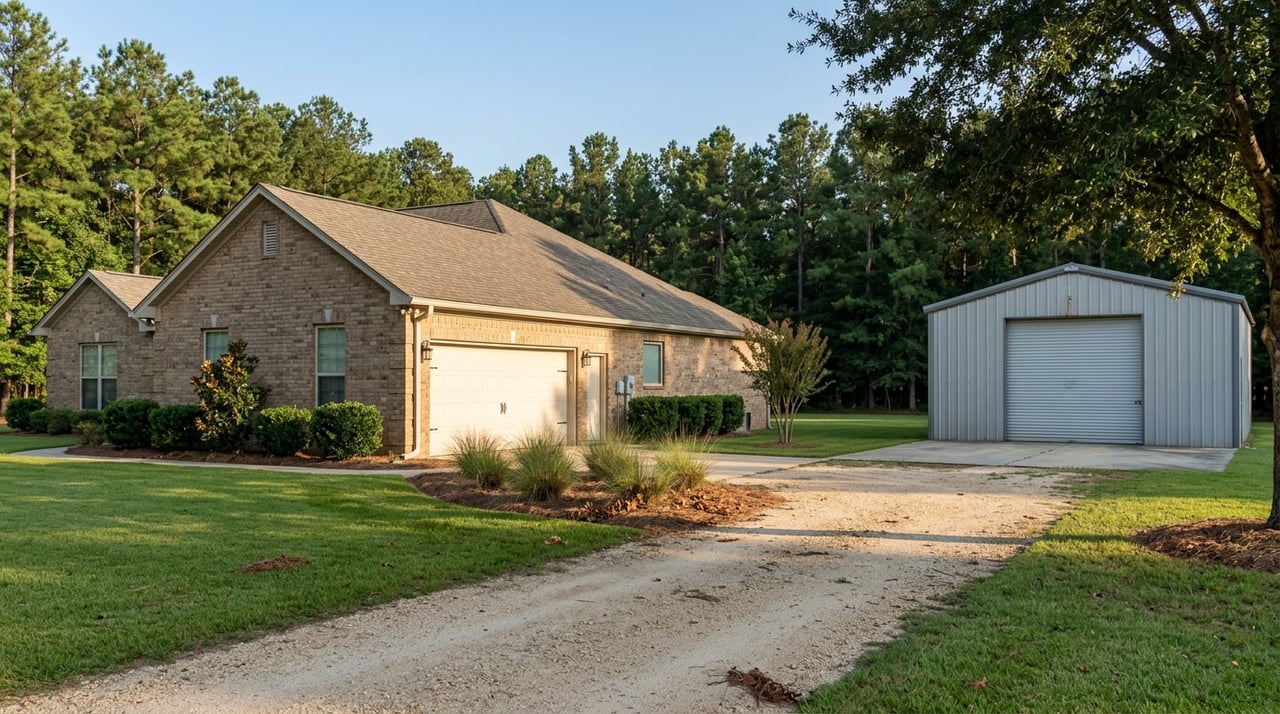
Dreaming about more room to breathe near Magnolia? Acreage living can offer the privacy, storage, and outdoor space many buyers want, but it also comes with daily responsibilities that are easy to underestimate. If you are thinking about buying land or a home on a larger tract near Magnolia, this guide will help you understand the trade-offs, the upkeep, and the local details that matter most before you make a move. Let’s dive in.
Why Acreage Near Magnolia Appeals
One of the biggest draws of acreage near Magnolia is simple: space. You may have more room for vehicles, equipment, pets, outdoor gatherings, or a workshop, along with a less dense setting than a typical suburban lot.
That extra room does not mean you are cut off from local amenities. Magnolia’s parks include Unity Park, a 30-acre municipal park and wildlife preserve, along with The Stroll, a half-mile linear park connected by Unity Park Drive that can be traveled by auto, bike, or hike. That mix of open space and town-scale convenience is part of what makes the area attractive.
The outdoor access nearby adds even more appeal. The Sam Houston National Forest spans 163,037 acres across Montgomery, Walker, and San Jacinto counties and offers hiking, camping, fishing, boating, biking, horseback riding, and OHV use. Lake Conroe also has public access points like Stubblefield Lake and Cagle Recreation Area.
Expect a Space-and-Access Trade-Off
Acreage living near Magnolia often means balancing privacy with practical access. You may enjoy more elbow room and a quieter feel, but you also need to pay close attention to how the property functions day to day.
That starts with questions many buyers do not ask on a standard suburban home tour. You will want to understand road access, drainage, driveway setup, and whether the tract is part of a platted subdivision or a more rural property arrangement.
In unincorporated Montgomery County, the county states that it does not have zoning regulations and does not issue certificates of occupancy for buildings or structures. At the same time, certain permits may still apply, including septic permits, development permits, food service permits, and fire code permits when applicable.
For newly developed subdivisions, Montgomery County’s subdivision rules require final plat approval before permits or inspections are issued. Those rules also address roads, drainage plans, driveway culverts, and drainage easements. For you as a buyer, that means the land itself deserves as much attention as the house.
Utilities Can Vary by Property
Not every acreage property near Magnolia works the same way when it comes to water and wastewater service. Some properties may be within Magnolia’s utility area, while others farther out may rely on private systems.
If a parcel is inside Magnolia’s utility area, the city has a process for water and trash service and charges tap fees for new water or wastewater connections. That can affect your upfront budget if you are buying land or planning future improvements.
If the property uses a private well or septic system, you will want a clear picture of system condition, maintenance history, and ongoing responsibilities. These items are not small details on acreage. They are part of everyday ownership.
Well Water Requires Ongoing Attention
If you buy a home with a private well, water quality becomes your responsibility. Texas officials note that private well owners are responsible for regularly testing their water quality, unlike public water systems, which must test for 102 contaminants and provide annual Consumer Confidence Reports.
The Texas Well Owner Network recommends annual testing for E. coli or fecal coliform, nitrate, and total dissolved solids. That gives you a basic check on water safety and quality, which is especially important if you are new to well ownership.
Site layout matters too. AgriLife’s basic well guidance says wellheads should be kept away from septic tanks, drain fields, and livestock or chemical-storage areas. On acreage, that means the placement of improvements across the tract can directly affect how well the property works over time.
Septic Systems Need Regular Care
Septic maintenance is another major part of rural or semi-rural ownership near Magnolia. The Texas Commission on Environmental Quality says on-site sewage facilities are common in suburban and rural parts of Texas, and almost all OSSFs need permits before construction or repair.
For a conventional septic tank, pumping is generally recommended every three to five years. If the property has a more complex aerobic system, it may need more frequent oversight or a licensed maintenance provider.
Before you buy, it helps to ask a few basic questions:
- What type of septic system serves the property?
- When was it last inspected, repaired, or pumped?
- Is there documentation for permits or service records?
- Are there any maintenance contracts in place for aerobic systems?
These questions can help you understand both current condition and future costs.
Land Maintenance Is the Hidden Cost
A larger tract can look peaceful and low-maintenance from the road, but the work behind the scenes is often what surprises first-time acreage buyers. More land usually means more routine upkeep.
That can include mowing, brush control, fence repairs, and weed management. AgriLife notes that brush problems can be costly, and weed management on native rangeland is common.
Fence responsibilities may also matter more than buyers expect. Texas fence-law education addresses open versus closed range, livestock-on-roadway liability, and fence maintenance responsibilities. If fencing is part of the property, you will want to know what condition it is in and what role it plays in the property’s use.
Rules May Still Apply on Acreage
A common mistake is assuming that acreage in the county means total freedom. In reality, some properties are still governed by deed restrictions or property owners’ associations.
Texas Property Code Chapter 202 defines restrictive covenants and property owners’ associations as the documents and associations that regulate planned developments. That means you should not assume a larger lot automatically allows any use, structure, or storage setup you have in mind.
Before you buy, review any recorded restrictions carefully. This is especially important if you are planning a workshop, extra parking, equipment storage, fencing changes, or future land improvements.
Tax Benefits May Depend on Use
For some buyers, acreage can offer long-term property tax advantages, but only if the land qualifies. The Texas Comptroller says agricultural, timberland, and wildlife-management land may qualify for special appraisal based on productivity value instead of market value.
Those benefits are not automatic. The land must meet specific use and history requirements, so it is important to confirm the current status and understand what would be required to maintain it.
If tax treatment is part of your buying decision, make sure you evaluate it early. It can have a meaningful impact on your long-term cost picture.
Lifestyle Fit Matters Most
Acreage near Magnolia is often a strong fit if you value privacy, storage, flexible outdoor space, and access to nature. It can also be a good match if you prefer a lower-key setting over a highly amenitized subdivision lifestyle.
The surrounding recreation supports that lifestyle. Cagle Recreation Area on Lake Conroe offers a developed boat ramp, hiking trails, and camping, while the Sam Houston National Forest includes the 129-mile Lone Star Hiking Trail and 85 miles of multiple-use trails.
Still, acreage is not just a bigger yard. It is a different ownership experience. If you love the idea of managing land and having more room to shape your property around your needs, it may be exactly the right move.
What to Check Before You Buy
If you are comparing acreage properties near Magnolia, a practical checklist can help you avoid expensive surprises.
Consider asking about:
- Access to the property and road conditions
- Drainage, culverts, and drainage easements
- Whether the tract is platted or part of a subdivision
- Water source, utility access, and connection fees if applicable
- Septic type, permits, and service history
- Well testing history if the property uses a private well
- Fence condition and land maintenance needs
- Deed restrictions or POA rules
- Current land-use or special appraisal status, if relevant
The goal is not to make acreage feel complicated. It is to help you see the full picture so you can buy with confidence.
If you are exploring acreage near Magnolia, working with a team that understands land, suburban growth areas, and property details can save you time and stress. Bolanos Realty can help you evaluate the practical side of acreage living and find a property that fits how you actually want to live.
FAQs
What is acreage living like near Magnolia, TX?
- Acreage living near Magnolia often offers more privacy, storage space, and outdoor room, but it also usually requires more hands-on upkeep, including land maintenance, utility oversight, and attention to access and drainage.
Do acreage properties near Magnolia have city utilities?
- Some acreage properties may be inside Magnolia’s utility area and have access to city water or wastewater connections, while others may rely on private wells and septic systems instead.
What should buyers know about septic systems near Magnolia?
- In rural and suburban Texas areas, septic systems are common, and most on-site sewage facilities need permits before construction or repair. Conventional septic tanks are generally recommended to be pumped every three to five years.
What should buyers know about private wells on acreage in Magnolia?
- If a property has a private well, you are generally responsible for regular water quality testing. Texas Well Owner Network recommends annual testing for E. coli or fecal coliform, nitrate, and total dissolved solids.
Are there restrictions on acreage properties in Montgomery County?
- Yes, some acreage properties may still be subject to deed restrictions or property owners’ association rules, so you should review property-specific documents rather than assume there are no limitations.
Can acreage land near Magnolia qualify for special property tax appraisal?
- Some land may qualify for agricultural, timberland, or wildlife-management appraisal based on productivity value, but eligibility depends on specific use and history requirements set by the state.